AMD extends server DRAM with flash extended memory
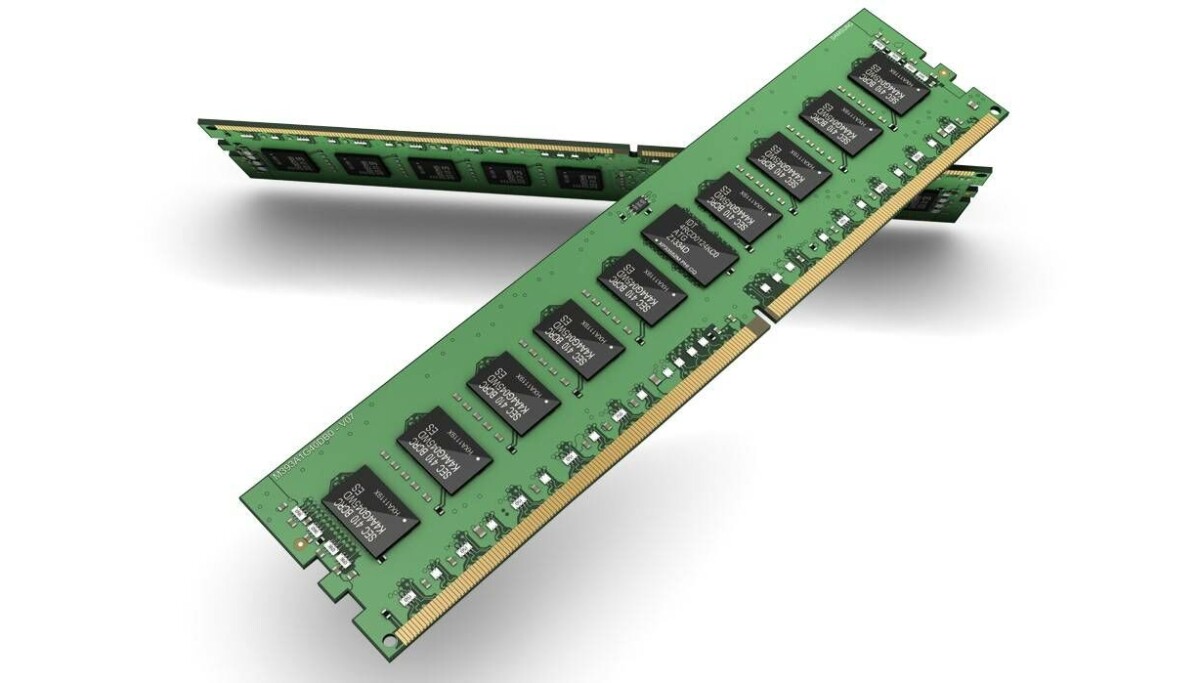
AMD has introduced an extension to its server DRAM technology, integrating flash-extended memory. This innovation aims to enhance the capabilities of servers by combining the speed of DRAM with the larger capacity potential of flash memory, likely within data center environments. This move represents AMD's ongoing efforts to advance its offerings in the server technology space.
This development matters because it could significantly impact the operational costs and performance efficiency for businesses and cloud service providers that rely heavily on data centers. By optimizing memory solutions, AMD's new technology has the potential to improve how data is processed and stored, which is crucial for modern enterprise IT infrastructure and the ongoing buildout of data centers.
The mechanism involves AMD's server platforms utilizing a hybrid memory approach. This system likely allows servers to leverage flash memory to extend the effective capacity of traditional DRAM, providing a balance between high-speed access for frequently used data and larger, more cost-effective storage for less critical information. This integration aims to improve overall system responsiveness and data handling.
This news primarily moves AMD (AMD) by potentially strengthening its position in the data center and server CPU markets. It could also influence demand for specific memory and storage components, impacting companies involved in semiconductor supply, particularly those manufacturing DRAM and flash memory. Enterprises and cloud providers may see shifts in their IT budgets related to server infrastructure.
Excalium Agent
An AI breakdown of exactly what changed and who it moves.