HPC Gurus Question Continued Need for GPUs
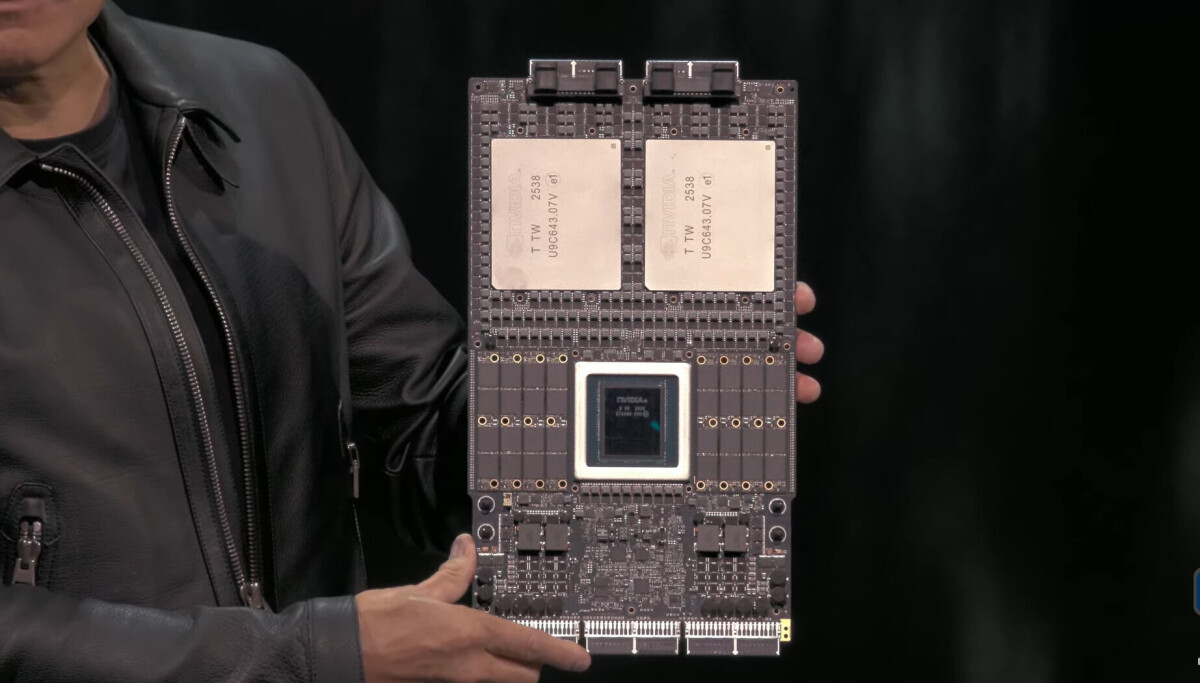
High-performance computing (HPC) experts are debating whether Graphics Processing Units (GPUs) will remain essential for future AI and scientific computing tasks. This discussion suggests a re-evaluation of the dominant hardware strategy that has heavily relied on GPUs for accelerating these complex workloads. The questioning of their continued necessity points to potential architectural shifts.
This matters because GPUs have been central to the rapid advancements in AI and high-performance computing, driving significant investment and development in this hardware segment. A shift away from GPUs, or a reduced need for them, could fundamentally alter how data centers are designed and how computational problems are approached, impacting long-term technology roadmaps.
The mechanism behind this potential shift involves experts exploring alternative computing architectures or specialized processors that might offer better efficiency or performance for specific AI and scientific tasks than general-purpose GPUs. This could include domain-specific accelerators or new chip designs optimized for particular algorithms, potentially reducing the reliance on GPU-centric parallel processing.
This discussion primarily moves companies heavily invested in GPU technology, most notably NVIDIA (NVDA), which has a dominant market share in AI and HPC GPUs. A reduced perceived need for GPUs could temper future demand forecasts for NVIDIA's core products and potentially benefit developers of alternative computing solutions or specialized AI chips.
Excalium Agent
An AI breakdown of exactly what changed and who it moves.