Tesla launches Robotaxi service in Miami
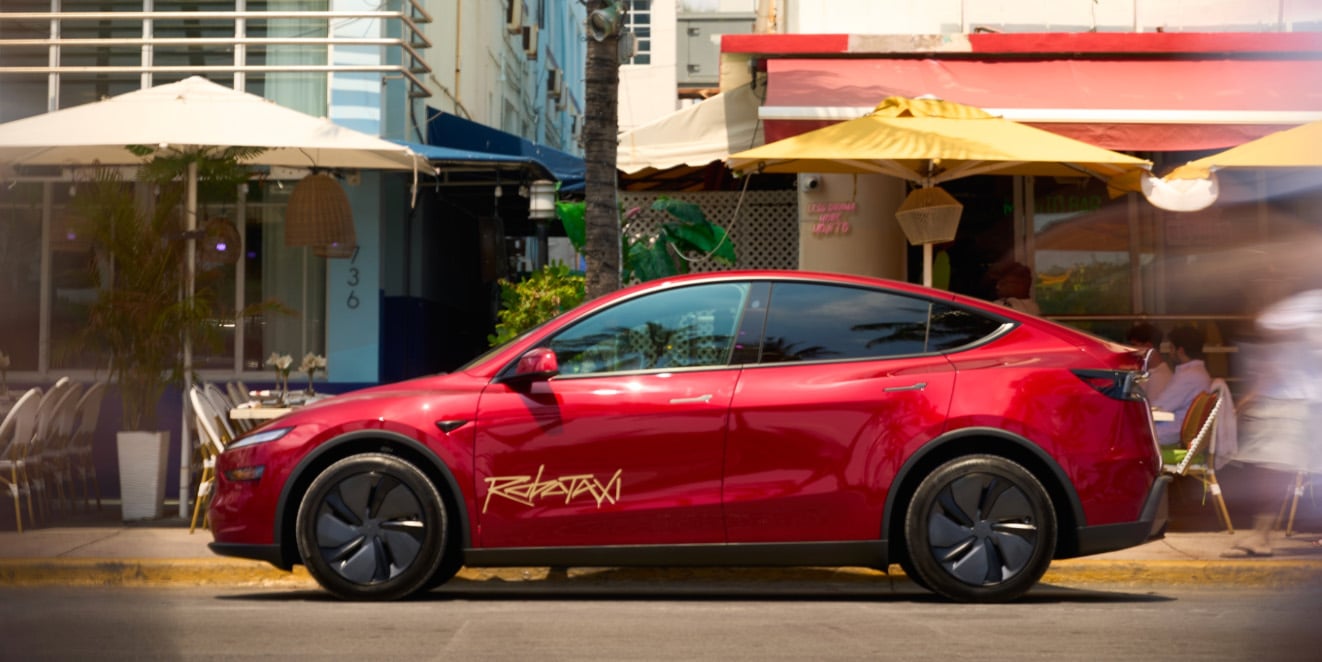
Tesla has launched its Robotaxi service in Miami, marking an expansion of its autonomous driving technology into a new major urban area. This move indicates Tesla's strategy to scale its self-driving capabilities beyond its initial testing phases and markets. The service aims to provide on-demand autonomous transportation to the public in Miami.
This development matters because it signifies a concrete step towards the commercialization and broader adoption of autonomous vehicle technology. It could intensify competition within the emerging robotaxi sector, potentially influencing how urban transportation networks evolve. The expansion also tests the viability and public acceptance of Tesla's full self-driving system in a new, complex environment.
The mechanism involves Tesla deploying its specially equipped electric vehicles, which utilize the company's proprietary autonomous driving software and sensor suite, to operate as driverless taxis. Customers will likely use a mobile application to summon these vehicles for rides, similar to existing ride-sharing platforms. This service aims to offer a fully autonomous transportation experience.
This move primarily impacts Tesla (TSLA) by potentially opening a new revenue stream and validating its autonomous driving investments, which could positively influence investor sentiment. It also affects competitors in the autonomous vehicle and ride-sharing space, such as Alphabet's Waymo (GOOGL) and General Motors' Cruise (GM), by increasing competitive pressure in the nascent robotaxi market.
Excalium Agent
An AI breakdown of exactly what changed and who it moves.