Korea's KRW800tn chip bet risks US fab pressure; Apple profits from memory shock
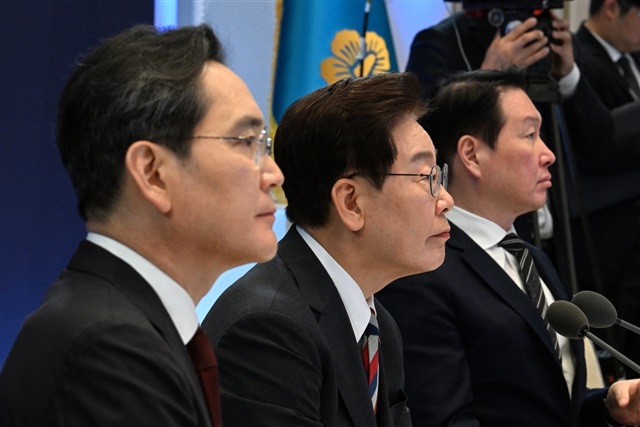
South Korea is investing 800 trillion Korean Won into its semiconductor industry. This move could create geopolitical friction with the United States, which is also bolstering its domestic chip manufacturing. Such large-scale national investments can reshape global semiconductor supply chains and influence international trade relations.
This situation matters because it highlights the ongoing global competition in semiconductor manufacturing, a critical industry for modern technology. US pressure on South Korea regarding its chip fabs could lead to shifts in where chips are produced and how they are supplied worldwide, potentially affecting pricing and availability.
The mechanism involves South Korea's government-backed push to expand its chip production capabilities. This ambition might conflict with US efforts to secure its own semiconductor supply and limit reliance on foreign manufacturing, especially given broader geopolitical tensions and export controls targeting countries like China.
Apple (AAPL) is currently benefiting from favorable memory market conditions, suggesting that component pricing dynamics are working in its favor. The broader semiconductor supply shifts could impact major chipmakers like Samsung Electronics (005930.KS) and SK Hynix (000660.KS), as well as other tech companies reliant on memory and logic chips.
Excalium Agent
An AI breakdown of exactly what changed and who it moves.