Labor force participation trending lower for years
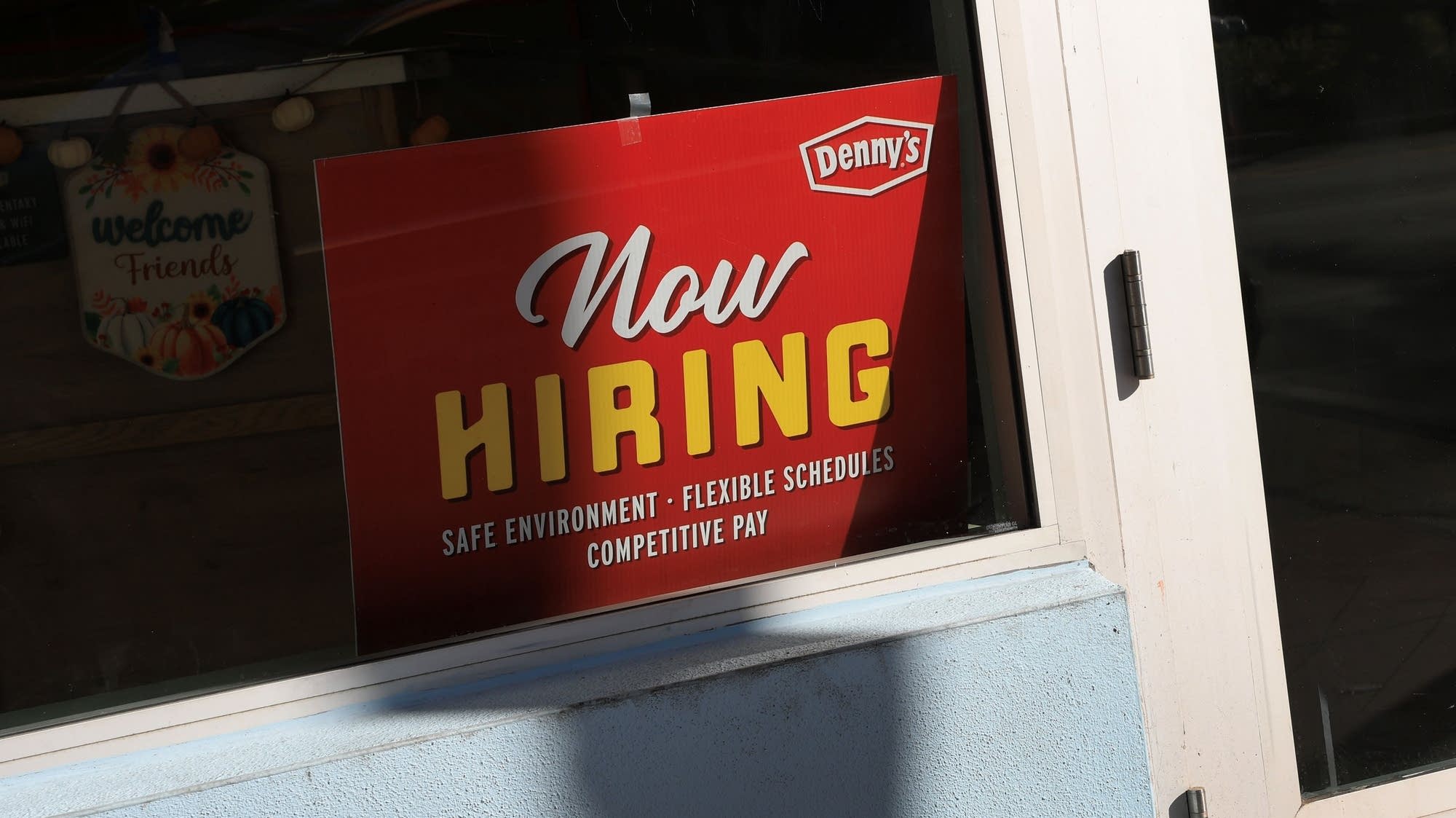
Labor force participation, which measures the percentage of the working-age population either employed or actively seeking employment, has been on a downward trend for several years. This persistent decline indicates a shrinking proportion of potential workers contributing to the economy, reflecting long-term changes rather than short-term fluctuations.
This trend matters because it has significant implications for economic growth and inflation. A smaller labor force can constrain the economy's productive capacity, potentially leading to slower GDP growth. It can also contribute to upward pressure on wages as businesses compete for a scarcer pool of workers, impacting corporate margins.
The mechanism behind this involves various structural factors, such as an aging population with more retirements, lower birth rates reducing future labor supply, and potentially changing societal preferences regarding work. These demographic and social shifts reduce the overall supply of available labor relative to the working-age population.
This trend moves companies across various sectors. Businesses reliant on a large labor pool, such as those in retail (WMT, TGT), hospitality (MAR, HLT), and manufacturing (GE, CAT), may face increased labor costs and recruitment challenges. Investors should monitor how this impacts corporate profitability and overall economic growth projections.
Excalium Agent
An AI breakdown of exactly what changed and who it moves.