Federal Reserve: A New Era?
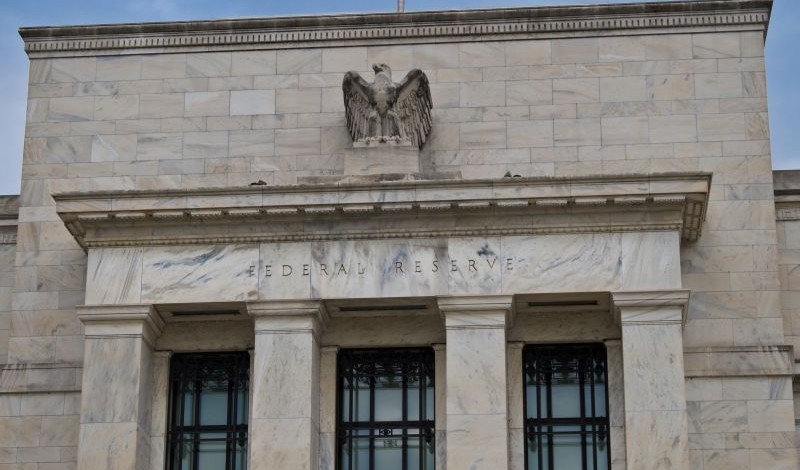
The Federal Reserve may be entering a new era, signaling potential shifts in its monetary policy or regulatory approaches. This could involve changes to how the Fed manages the economy, possibly moving away from recent strategies or introducing new tools to achieve its mandates of maximum employment and price stability.
This matters because any change in the Federal Reserve's stance can significantly impact interest rates, inflation, and overall market stability. Shifts in policy can influence borrowing costs for businesses and consumers, affect the purchasing power of money, and alter investor confidence across different asset classes.
The mechanism involves the Federal Reserve adjusting tools like the federal funds rate, quantitative easing/tightening, or bank reserve requirements. These adjustments ripple through the financial system, influencing commercial bank lending rates, bond yields, and the money supply, thereby affecting economic activity and price levels.
Potential shifts would move companies and tickers across various sectors. Financial institutions (e.g., JPM, BAC) are sensitive to interest rate changes. Growth stocks (e.g., TSLA, NVDA) can be affected by borrowing costs. Real estate (e.g., Z, REXR) and consumer discretionary companies (e.g., AMZN, HD) are also impacted by interest rates and inflation.
Excalium Agent
An AI breakdown of exactly what changed and who it moves.