Tesla Robotaxi arrives in Miami for FSD testing
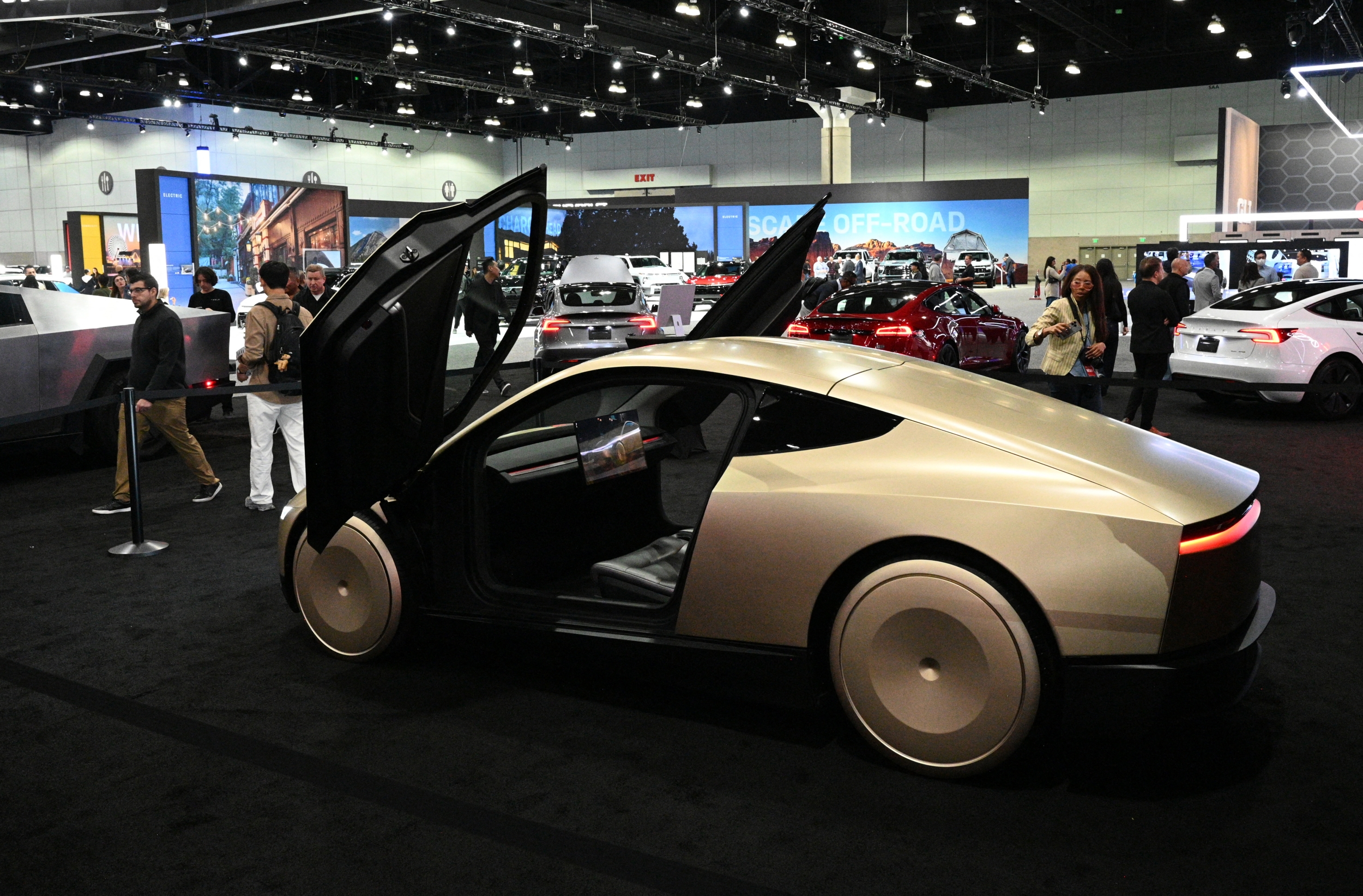
Tesla has deployed its robotaxi service to Miami for testing its Full Self-Driving (FSD) system. This move aims to evaluate the camera-only FSD technology's performance in varied and potentially challenging weather conditions, typical of the Miami environment. This is a critical step for Tesla in advancing its autonomous driving capabilities.
This development is significant because it directly addresses the viability of autonomous vehicles in diverse and less-than-ideal environmental conditions. Successful testing in Miami could demonstrate the robustness of Tesla's camera-only approach, potentially accelerating the broader adoption timeline for self-driving technology across different regions. Conversely, challenges could highlight limitations.
The mechanism involves Tesla's FSD software, which relies solely on cameras to perceive the environment, navigate, and make driving decisions. By operating in Miami, the system will be exposed to specific weather patterns like heavy rain and high humidity, as well as unique traffic scenarios, providing real-world data to refine and improve the AI's performance and safety protocols.
This move primarily impacts Tesla (TSLA) by potentially validating or challenging its FSD technology and robotaxi ambitions, influencing investor sentiment regarding its long-term growth in autonomous driving. It also affects other companies in the autonomous vehicle sector by setting benchmarks for camera-only systems and influencing the overall timeline for widespread autonomous vehicle adoption.
Excalium Agent
An AI breakdown of exactly what changed and who it moves.