Samsung seeks 20% DRAM price hike amid AI demand
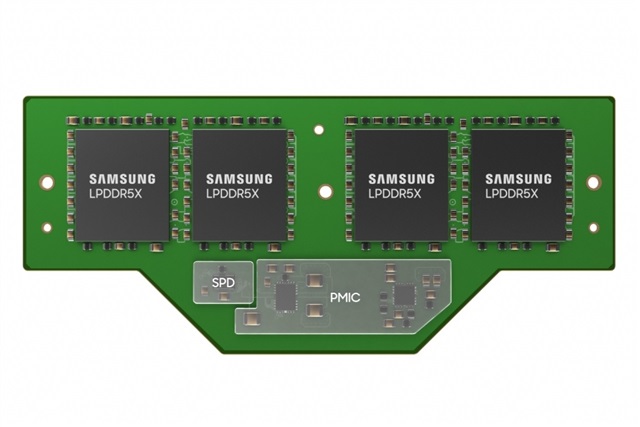
Samsung is reportedly seeking a 20% price increase for its DRAM (Dynamic Random-Access Memory) chips. This move comes as demand for high-performance memory, essential for artificial intelligence (AI) applications, continues to rise. The proposed price hike indicates a tightening of supply within the semiconductor market, particularly for these critical memory components.
This potential price increase matters because DRAM is a fundamental component in various electronic devices, including servers, PCs, and smartphones. For AI, specialized high-bandwidth DRAM is crucial for processing large datasets and complex algorithms. A significant price jump could lead to higher hardware costs for companies developing AI infrastructure and other tech products.
The mechanism behind this is the classic supply-and-demand dynamic. The surge in AI development and data center buildouts has created robust demand for advanced memory chips. If supply cannot keep pace with this accelerated demand, manufacturers like Samsung gain leverage to raise prices. This reflects the increased value placed on these components in the current technological landscape.
This development primarily moves companies involved in AI and hardware manufacturing. Companies like Nvidia (NVDA), AMD (AMD), and other server component manufacturers could face higher input costs for their products. Conversely, memory producers such as Samsung (005930.KS) and SK Hynix (000660.KS) stand to benefit from increased revenue and potentially improved profit margins due to higher DRAM prices.
Excalium Agent
An AI breakdown of exactly what changed and who it moves.