Inflation impacts US summer activity affordability
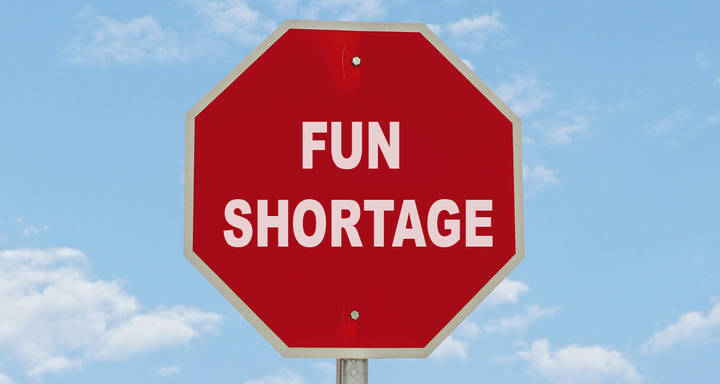
Persistent inflation is making typical US summer activities less affordable for consumers. This ongoing erosion of purchasing power suggests that households may have less money available for non-essential goods and services, leading to a potential slowdown in discretionary spending across the economy.
This matters because consumer spending is a major driver of economic growth. A reduction in discretionary spending indicates that consumers are prioritizing essential goods and services over leisure and entertainment, which can signal broader economic weakness or a potential slowdown in growth.
The mechanism involves the Consumer Price Index (CPI) remaining elevated, which means the cost of living continues to rise. As wages may not keep pace with these price increases, real disposable income decreases, forcing consumers to make tougher choices about where to allocate their money, often cutting back on non-essential items.
This trend could negatively impact companies in the leisure, entertainment, and travel sectors. Airlines (e.g., AAL, UAL), hotel chains (e.g., MAR, HLT), restaurant groups (e.g., MCD, SBUX), and theme park operators (e.g., DIS, SIX) could see reduced demand as consumers cut back on discretionary summer activities.
Excalium Agent
An AI breakdown of exactly what changed and who it moves.