Bentley teases first EV, the Torcal, for September reveal
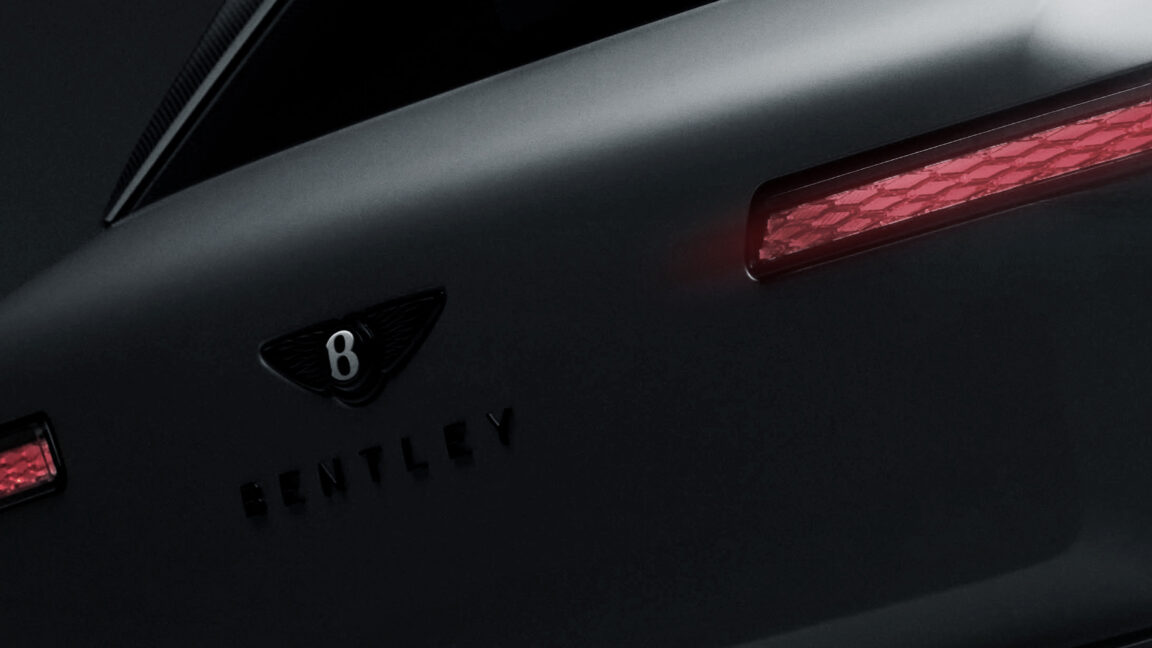
Bentley has announced it will reveal its first all-electric vehicle, named the Torcal, in September. This marks the luxury automaker's official entry into the electric vehicle (EV) market, signaling a strategic shift towards electrification for the brand.
This development matters because it intensifies competition within the high-end automotive sector as more luxury brands transition to electric powertrains. Bentley's move reflects the growing demand for premium EVs and the broader industry trend away from internal combustion engines.
The mechanism behind this involves Bentley leveraging existing EV technology or developing new platforms to create a luxury electric offering. This transition will likely impact supply chains, increasing demand for critical EV components such as batteries and semiconductors, which could face existing supply constraints.
This move primarily affects Bentley (owned by Volkswagen Group, VWAGY) and its direct luxury EV competitors like Porsche (P911.DE), Mercedes-Benz (MBG.DE), and Lucid Group (LCID). It also has implications for EV component suppliers, particularly those in the semiconductor and battery sectors.
Excalium Agent
An AI breakdown of exactly what changed and who it moves.