Tesla Model Y Stretched to Fill Model X Absence
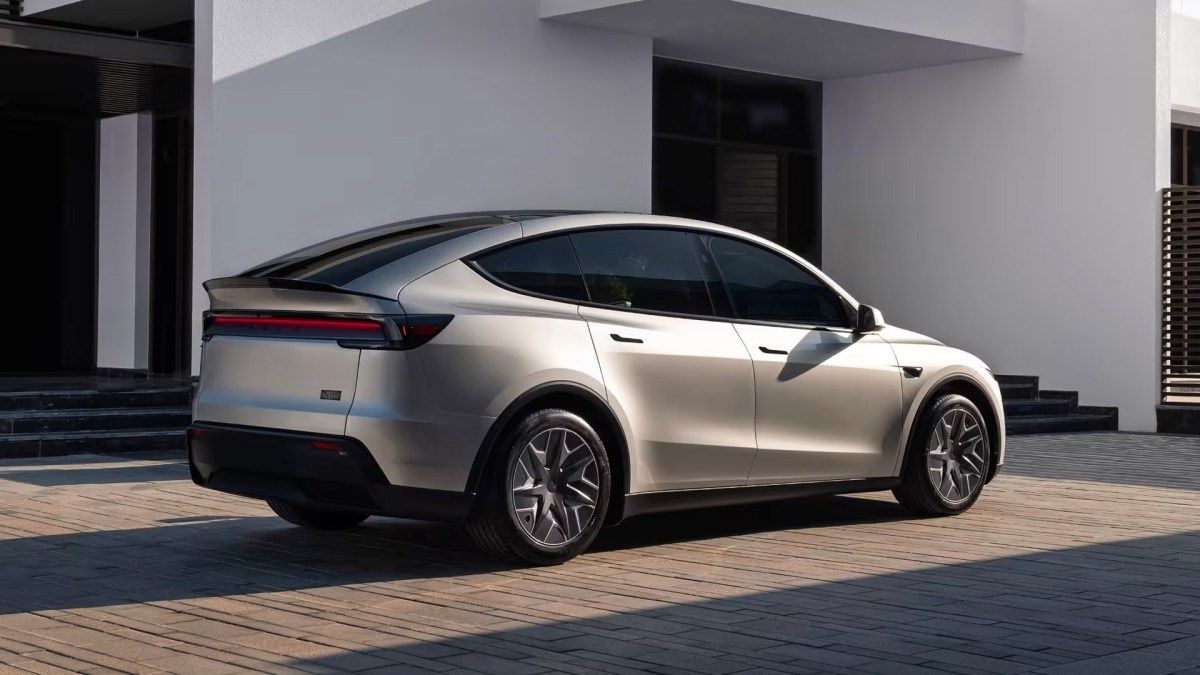
Tesla has decided to adapt its Model Y vehicle to fill the market segment previously occupied by the Model X. This move suggests a strategic focus on leveraging existing production capabilities for the Model Y to meet consumer demand, rather than continuing to produce the Model X for that specific niche.
This matters because it indicates a potential shift in Tesla's product strategy, prioritizing efficiency and versatility from current production lines. By stretching the Model Y's capabilities, Tesla aims to cover a broader range of consumer preferences within the electric SUV market using a single, optimized platform.
The mechanism involves reconfiguring or enhancing the Model Y to offer features or capacities that were previously unique to the Model X. This allows Tesla to streamline its manufacturing processes and potentially reduce complexity, while still catering to demand for a larger or more premium electric SUV option.
This strategic adjustment primarily impacts Tesla (TSLA) by potentially boosting Model Y sales figures and optimizing production costs. It could also influence market positioning within the broader EV SUV segment, affecting competitors like Ford (F) with its Mustang Mach-E or General Motors (GM) with its Cadillac Lyriq, depending on how consumers respond to the adapted Model Y offering.
Excalium Agent
An AI breakdown of exactly what changed and who it moves.