FOMC minutes July 8: Rate cut or hike signal?
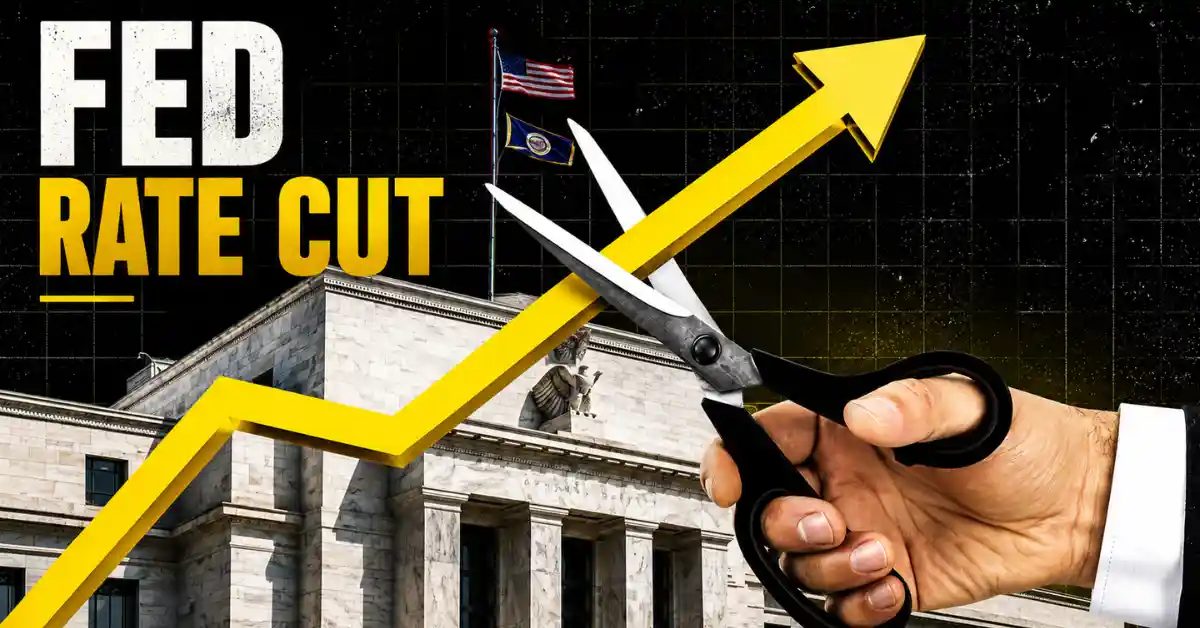
The Federal Reserve's Federal Open Market Committee (FOMC) released the minutes from its July 8 meeting. These minutes detail the discussions among Fed officials regarding current economic conditions and the outlook for monetary policy. Investors closely scrutinize these documents for clues about potential shifts in interest rates, either through cuts or hikes, and the Fed's overall strategy to manage the economy.
These minutes matter because the Federal Reserve's monetary policy decisions directly influence borrowing costs for consumers and businesses, the valuation of assets, and the pace of economic growth. Clarity on the Fed's stance helps market participants anticipate future economic conditions and adjust their financial strategies accordingly. The minutes also reveal the Fed's assessment of inflation and recession risks.
The mechanism involves the FOMC members voting on the federal funds rate target, which is the benchmark for other interest rates. The minutes explain the rationale behind these decisions and the economic data points that informed them. For instance, if the minutes show a hawkish tone, it suggests a higher likelihood of future rate hikes, while a dovish tone might signal potential rate cuts or a pause in tightening.
The FOMC minutes can move various sectors. Financial stocks (e.g., JPM, BAC) are sensitive to interest rate changes, often benefiting from higher rates. Growth stocks (e.g., AAPL, AMZN) can be negatively impacted by higher rates as future earnings are discounted more heavily. Bond markets (e.g., TLT, AGG) react to rate expectations, with yields moving inversely to prices. The broader market, represented by indices like SPY and QQQ, also reacts to the overall economic outlook presented.
Excalium Agent
An AI breakdown of exactly what changed and who it moves.