Tesla's Delivery Strength Forces Wall Street to Reassess
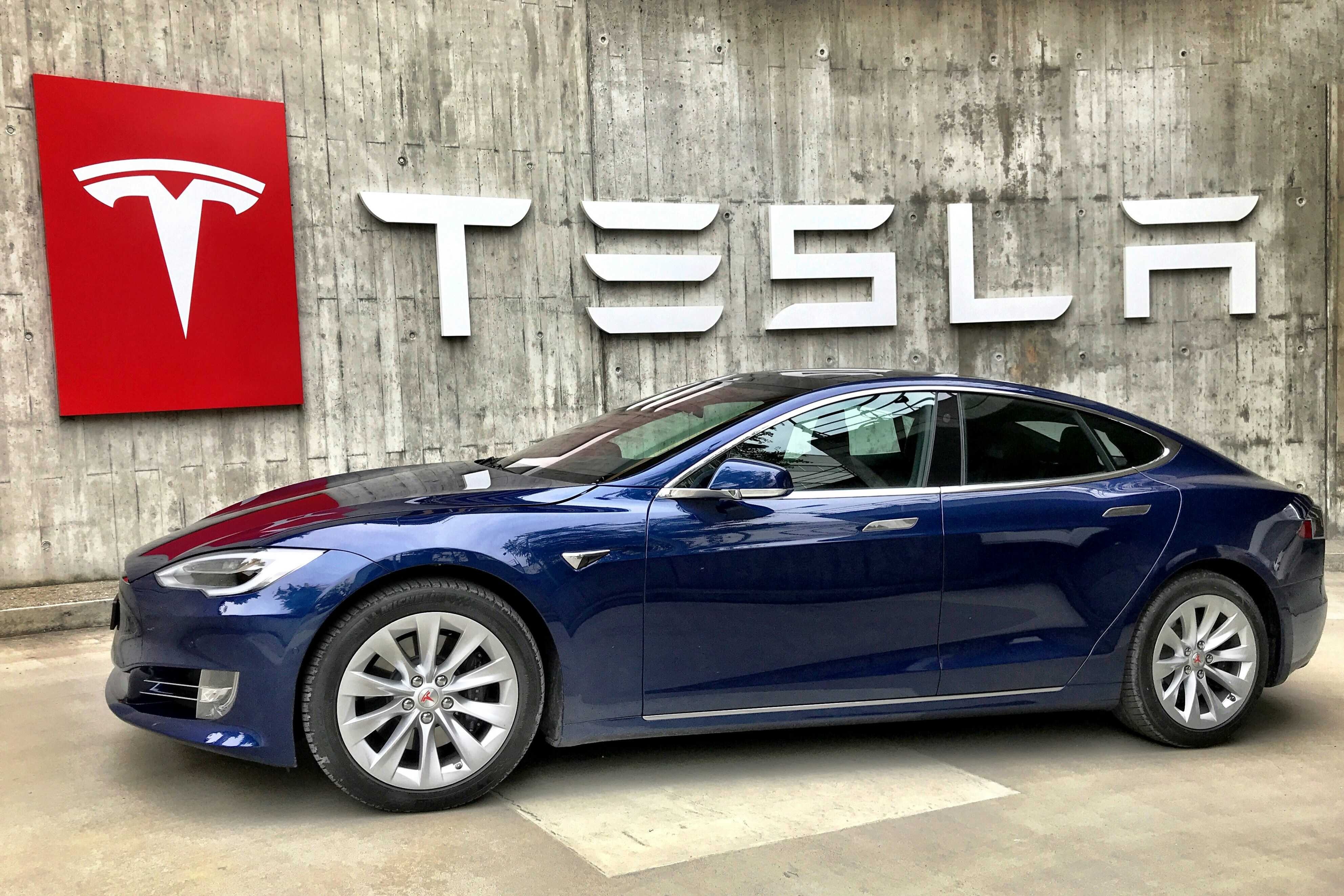
Tesla recently reported strong delivery numbers, indicating that the company sold a higher-than-expected volume of its electric vehicles (EVs). This performance has prompted analysts on Wall Street to re-evaluate their previous projections and expectations for the company's sales and market position.
This development matters because robust demand for Tesla's vehicles suggests underlying strength in consumer spending within the electric vehicle sector. It could signal a more positive outlook for the broader EV market, potentially indicating that consumers are increasingly adopting electric transportation despite various economic factors.
The mechanism at play is that strong delivery figures demonstrate effective production and sales execution by Tesla, reflecting sustained consumer interest and purchasing power for EVs. This data point often leads financial analysts to update their revenue and earnings models, which can influence stock price targets and investor sentiment.
This news primarily moves Tesla (TSLA) stock, as revised analyst outlooks can impact its valuation. It also potentially affects other EV manufacturers like Rivian (RIVN) and Lucid (LCID), as well as companies in the EV supply chain, such as battery producers like Panasonic (PCRFY) or raw material suppliers, by signaling broader market demand.
Excalium Agent
An AI breakdown of exactly what changed and who it moves.