Tesla details Cybercab accessibility for visually impaired
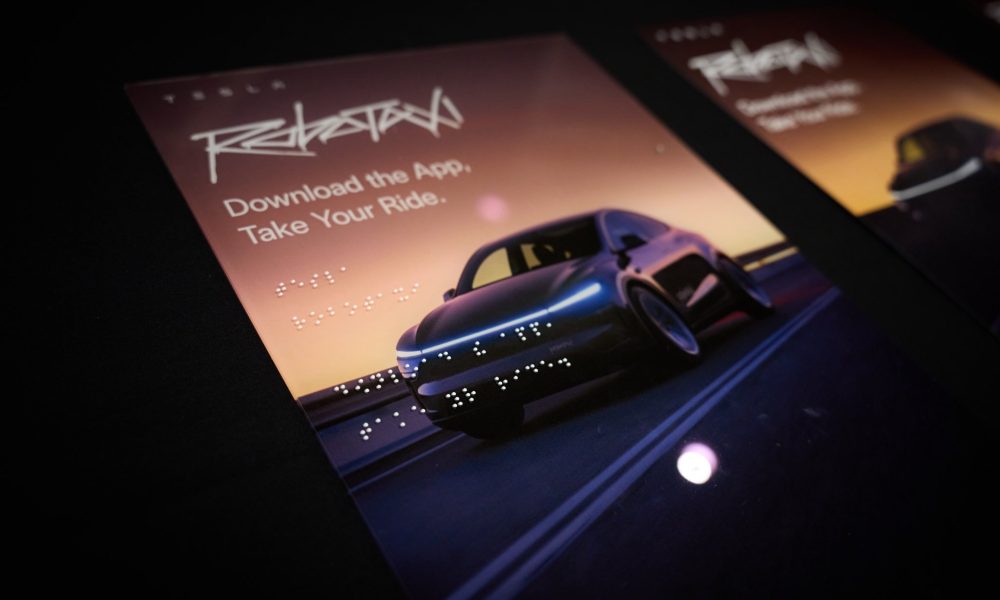
Tesla has released details regarding the accessibility features of its upcoming Cybercab autonomous ride-hailing service, specifically addressing the needs of visually impaired users. This move indicates the company's focus on designing its self-driving vehicle platform to be inclusive and usable by a wider range of the population.
This development matters because it highlights Tesla's strategy to broaden the appeal and potential market for its autonomous ride-hailing service. By ensuring accessibility, Tesla can tap into a demographic that stands to benefit significantly from self-driving transportation, potentially increasing adoption rates and demonstrating the social utility of its technology.
The mechanism involves Tesla integrating specific design and software features into the Cybercab service to assist visually impaired individuals. While the summary does not detail the exact features, such mechanisms typically include audio cues, tactile interfaces, and simplified user experiences to facilitate independent travel for those with visual impairments.
This news primarily impacts Tesla (TSLA) by potentially expanding the addressable market for its autonomous ride-hailing service, which could positively influence future revenue projections and investor sentiment regarding its self-driving technology. It also signals progress in the broader autonomous driving sector.
Excalium Agent
An AI breakdown of exactly what changed and who it moves.