AI phones could exceed half of smartphone shipments by 2027
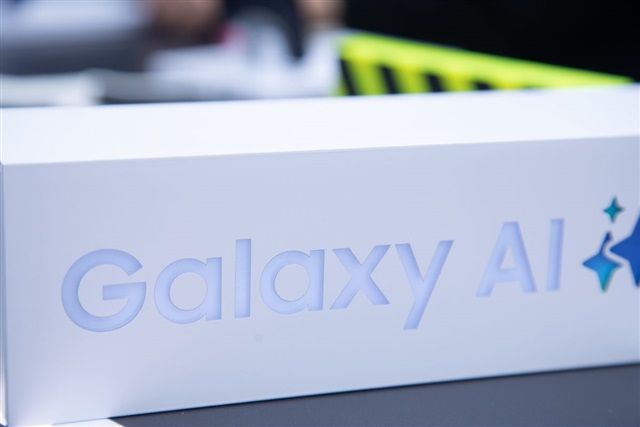
A recent forecast suggests that smartphones equipped with artificial intelligence (AI) capabilities could account for over 50% of all smartphone shipments by the year 2027. This projection highlights an anticipated acceleration in the adoption of AI features within consumer mobile devices, indicating a notable evolution in the smartphone market.
This potential shift matters because it implies a significant change in consumer preferences and technological requirements for smartphones. The increased demand for AI-enabled phones is expected to drive the need for more advanced and specialized components, particularly semiconductors capable of handling AI workloads efficiently.
The mechanism behind this impact involves consumers upgrading to devices that offer enhanced AI functionalities, such as improved photography, personalized user experiences, and on-device processing. This trend is expected to lead to higher average selling prices (ASPs) for smartphones across the industry as manufacturers integrate more sophisticated AI hardware and software.
This development is relevant for investors monitoring semiconductor manufacturers, as demand for AI-specific chips will likely increase. Companies like Qualcomm (QCOM) and MediaTek (2454.TW) could see increased demand for their processors. Smartphone brands such as Apple (AAPL) and Samsung (005930.KS) may benefit from higher ASPs and increased sales of premium devices.
Excalium Agent
An AI breakdown of exactly what changed and who it moves.