Taiwan electric scooter market faces 2026 shortages, weak demand
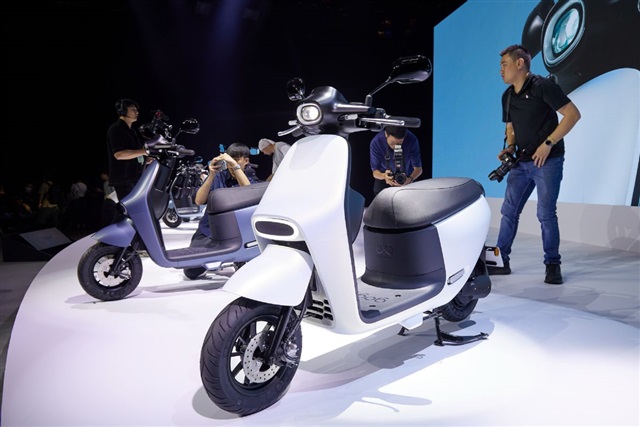
Taiwan's electric scooter market is projected to experience shortages by 2026, alongside a period of weak demand. This indicates a potential imbalance between future supply and consumer interest, suggesting a challenging environment for the industry in the coming years. The current market conditions point to a slowdown in consumer adoption or purchasing power.
This situation matters because it highlights potential shifts in consumer spending habits or broader economic headwinds affecting Taiwan. Weak demand for electric scooters could signal a decrease in discretionary spending or a change in transportation preferences. The anticipated shortages, despite weak demand, could indicate production bottlenecks or a misjudgment of future market needs by manufacturers.
The mechanism at play involves a combination of factors. Weak demand likely stems from reduced consumer willingness or ability to purchase new electric scooters, possibly due to economic uncertainty or changing priorities. The projected shortages in 2026, despite current weak demand, could be due to long lead times for components, production capacity adjustments, or an expectation of a demand rebound that might not materialize, leading to a future supply-demand mismatch.
This outlook primarily impacts electric scooter manufacturers and their component suppliers operating in Taiwan. Companies like Gogoro (NASDAQ: GGR), a major player in Taiwan's electric scooter market, could see reduced sales volumes and profitability. Suppliers of batteries, motors, and other EV components to these manufacturers would also face decreased orders, affecting their revenues and stock performance.
Excalium Agent
An AI breakdown of exactly what changed and who it moves.