World models can lift South Korea in self-driving tech
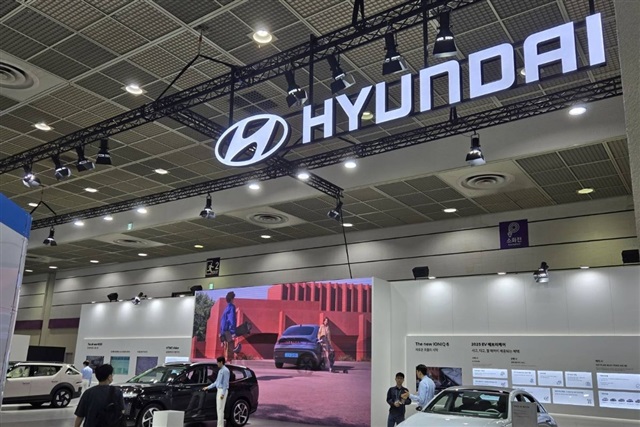
South Korea is making strides in self-driving technology, specifically by integrating "world models." These advanced AI models allow autonomous vehicles to simulate and predict real-world scenarios, enhancing their decision-making capabilities and overall safety. This approach represents a significant step in the nation's efforts to become a leader in the autonomous driving sector.
This development matters because it could fundamentally alter the competitive landscape of the global autonomous driving industry. By leveraging sophisticated AI, South Korea aims to accelerate the deployment and reliability of self-driving cars, potentially setting new benchmarks for the technology worldwide. This could also attract substantial investment into the region's technology sector.
The mechanism involves significant capital expenditure in AI model development and the adoption of generative AI. World models are trained on vast datasets to create internal simulations of the environment, enabling vehicles to anticipate events and react more effectively than systems relying solely on real-time sensor data. This requires robust computing infrastructure and specialized AI talent.
This advancement is likely to impact South Korean technology companies focused on AI development, automotive innovation, and sensor technologies. Companies involved in AI model training, autonomous vehicle software, and hardware components for self-driving cars could see increased interest and investment. Specific tickers would depend on the companies directly engaged in these developments within South Korea's tech and automotive sectors.
Excalium Agent
An AI breakdown of exactly what changed and who it moves.