Huawei Mate 90 to debut Kirin 2026 processor
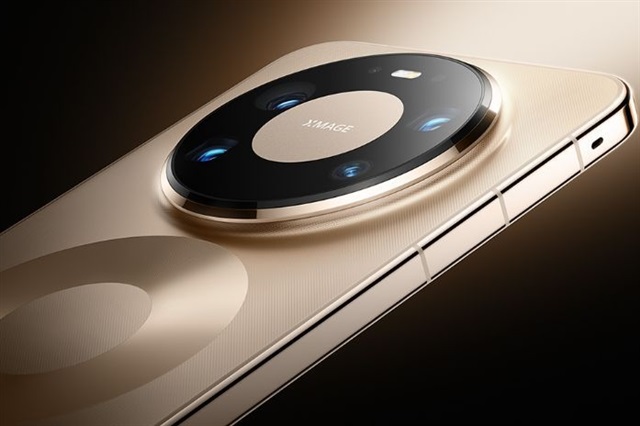
Huawei is set to launch its new Mate 90 smartphone, which will feature the domestically produced Kirin 2026 processor. This development indicates Huawei's ongoing advancements in designing and manufacturing its own advanced semiconductor chips, a critical component for modern electronics, particularly smartphones. The introduction of this new processor highlights the company's efforts to enhance its internal technological capabilities.
This move is significant because it demonstrates Huawei's progress in reducing its dependence on foreign semiconductor suppliers, a strategic priority given past export controls and geopolitical tensions. By developing its own high-end processors, Huawei aims to secure its supply chain and maintain competitiveness in the global smartphone market. This could alter dynamics within the semiconductor industry.
The mechanism behind this involves Huawei's substantial investment in research and development for chip design and potentially advanced manufacturing processes within China. The Kirin 2026 processor is the result of these efforts, integrating various functionalities required for a smartphone's operation directly onto the chip. This vertical integration allows Huawei greater control over performance and features.
This development primarily impacts Huawei (private company) by strengthening its smartphone division and potentially improving its market share. It also affects other smartphone manufacturers like Apple (AAPL) and Samsung (005930.KS) by intensifying competition in high-end processors. Semiconductor companies such as Qualcomm (QCOM) and MediaTek (2454.TW), which supply chips to other brands, may face increased competitive pressure from Huawei's self-sufficiency.
Excalium Agent
An AI breakdown of exactly what changed and who it moves.