Apple foldable to lift OLED TDDI demand
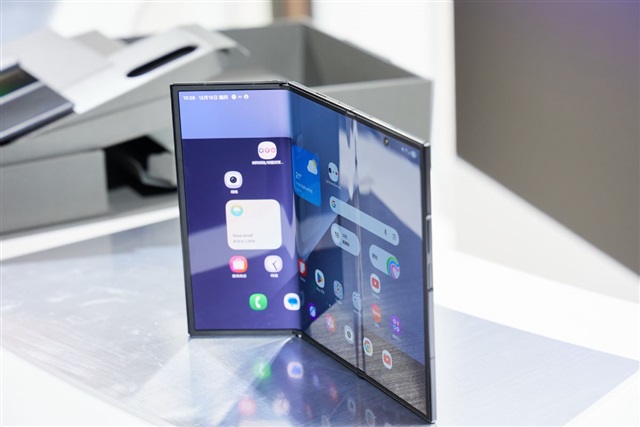
Apple's anticipated entry into the foldable device market is expected to drive a substantial increase in demand for OLED TDDI (Touch and Display Driver Integration) chips. This development signals a new phase for the display and semiconductor industries, as Apple's participation often validates and accelerates technology trends.
This matters because OLED TDDI chips are crucial components for foldable screens, integrating touch and display functions into a single chip. Apple's adoption would not only boost demand for these specific components but also likely spur broader industry investment and innovation in foldable display technology.
The mechanism involves Apple's design choices for its foldable devices, which would necessitate high volumes of advanced OLED TDDI chips. This increased demand would flow through the supply chain, impacting manufacturers of these chips and the display panels they control.
This move primarily impacts suppliers of OLED TDDI chips and display manufacturers. Companies like Samsung Display (a major OLED panel producer) and various semiconductor firms specializing in display drivers could see increased orders. The broader smartphone and semiconductor sectors would also feel ripple effects from this shift towards foldable technology.
Excalium Agent
An AI breakdown of exactly what changed and who it moves.