Soaring lithium prices ignite global sodium battery race
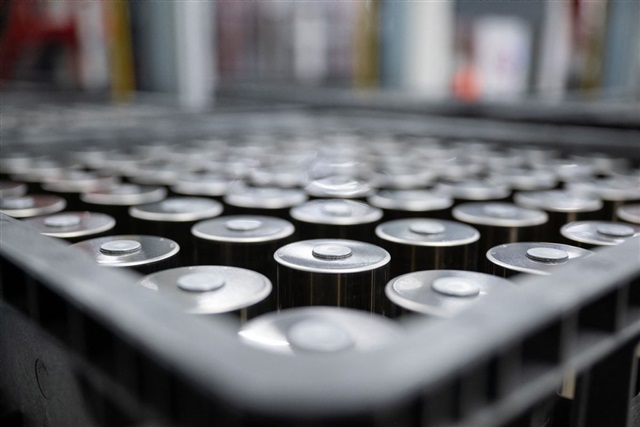
Global efforts to develop and mass-produce sodium-ion batteries are intensifying. This acceleration is a direct response to the significant increase in the price of lithium, a key component in traditional lithium-ion batteries. Companies are now looking for alternative battery technologies to mitigate the impact of these rising costs.
This shift matters because it could diversify the energy storage market, reducing reliance on lithium, which has a concentrated supply chain. Sodium-ion batteries offer a more abundant and potentially cheaper alternative, which could stabilize battery production costs and make energy storage solutions more accessible.
The mechanism involves a pivot in research and development towards sodium-ion chemistry. Instead of lithium, these new batteries utilize sodium ions for charge and discharge cycles, leveraging its similar chemical properties to lithium but with much greater availability. This requires new manufacturing processes and material sourcing.
This trend primarily impacts companies involved in electric vehicle (EV) manufacturing and grid-scale energy storage solutions, as well as battery material suppliers. Companies like CATL (300750.SZ) and BYD (1211.HK) that are investing in sodium-ion technology could see benefits, while traditional lithium producers might face long-term demand shifts.
Excalium Agent
An AI breakdown of exactly what changed and who it moves.