Tesla faces backlash for South Korea price hikes post-subsidy
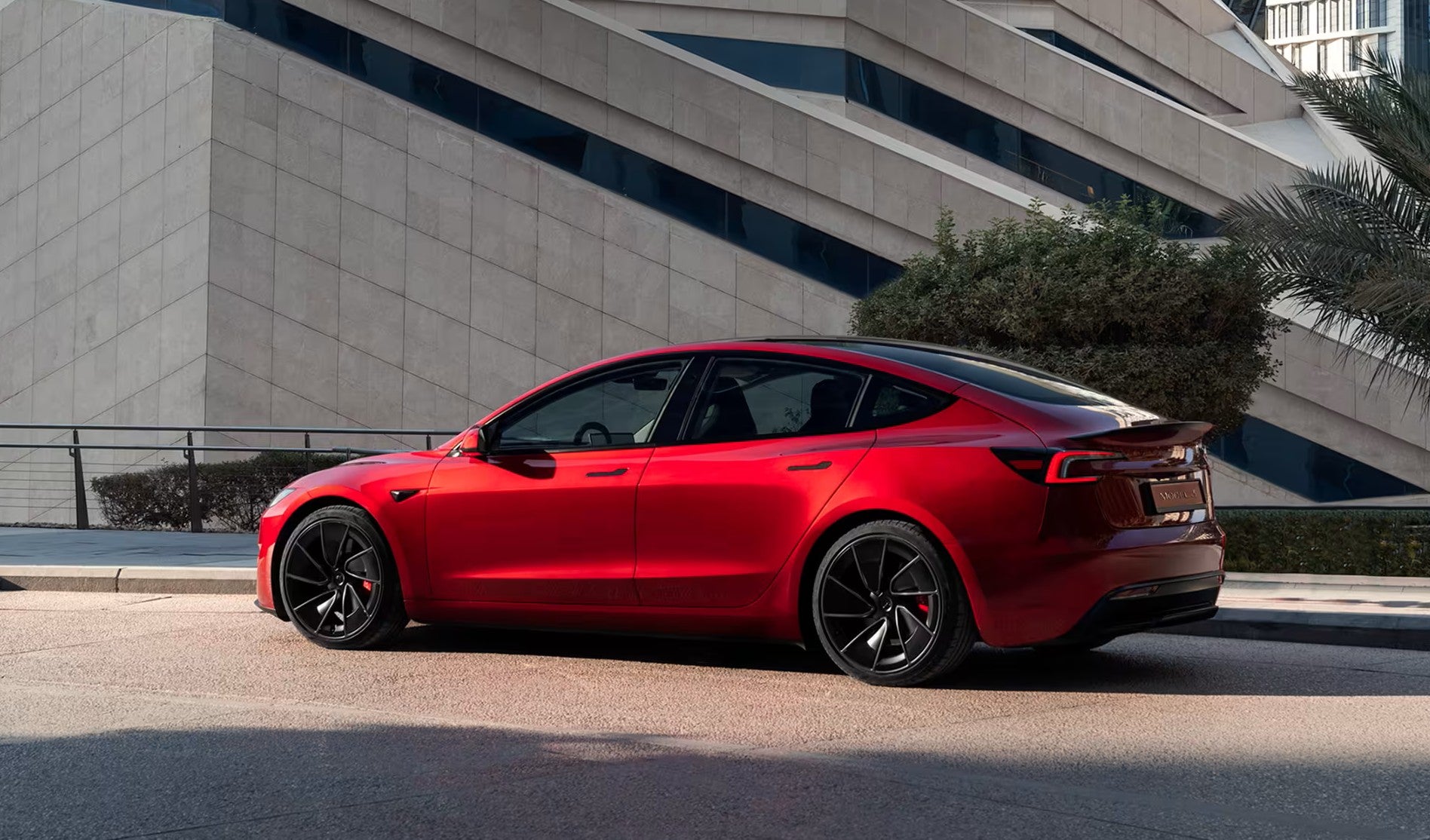
Tesla is facing criticism in South Korea for increasing the prices of its electric vehicles after the government reduced its subsidies for EVs. This move has led to consumer dissatisfaction, as buyers expected lower prices due to the initial government incentives designed to boost EV adoption.
This situation matters because it could draw regulatory attention to how companies adjust pricing following government support. Such actions can erode consumer trust and potentially lead to stricter oversight of pricing strategies for products benefiting from public funds, especially in the EV sector.
The mechanism involves Tesla raising its vehicle prices, effectively offsetting some of the savings consumers would have gained from the government subsidies. This strategy, while potentially boosting Tesla's margins, has been perceived by some consumers as undermining the intent of the subsidies, which was to make EVs more affordable.
This development primarily impacts Tesla (TSLA) as it could affect its brand image and sales volume in the South Korean market. It also signals potential scrutiny for other EV manufacturers and companies that receive government incentives, influencing their pricing strategies in international markets.
Excalium Agent
An AI breakdown of exactly what changed and who it moves.