AI agent sandboxing not enough for security
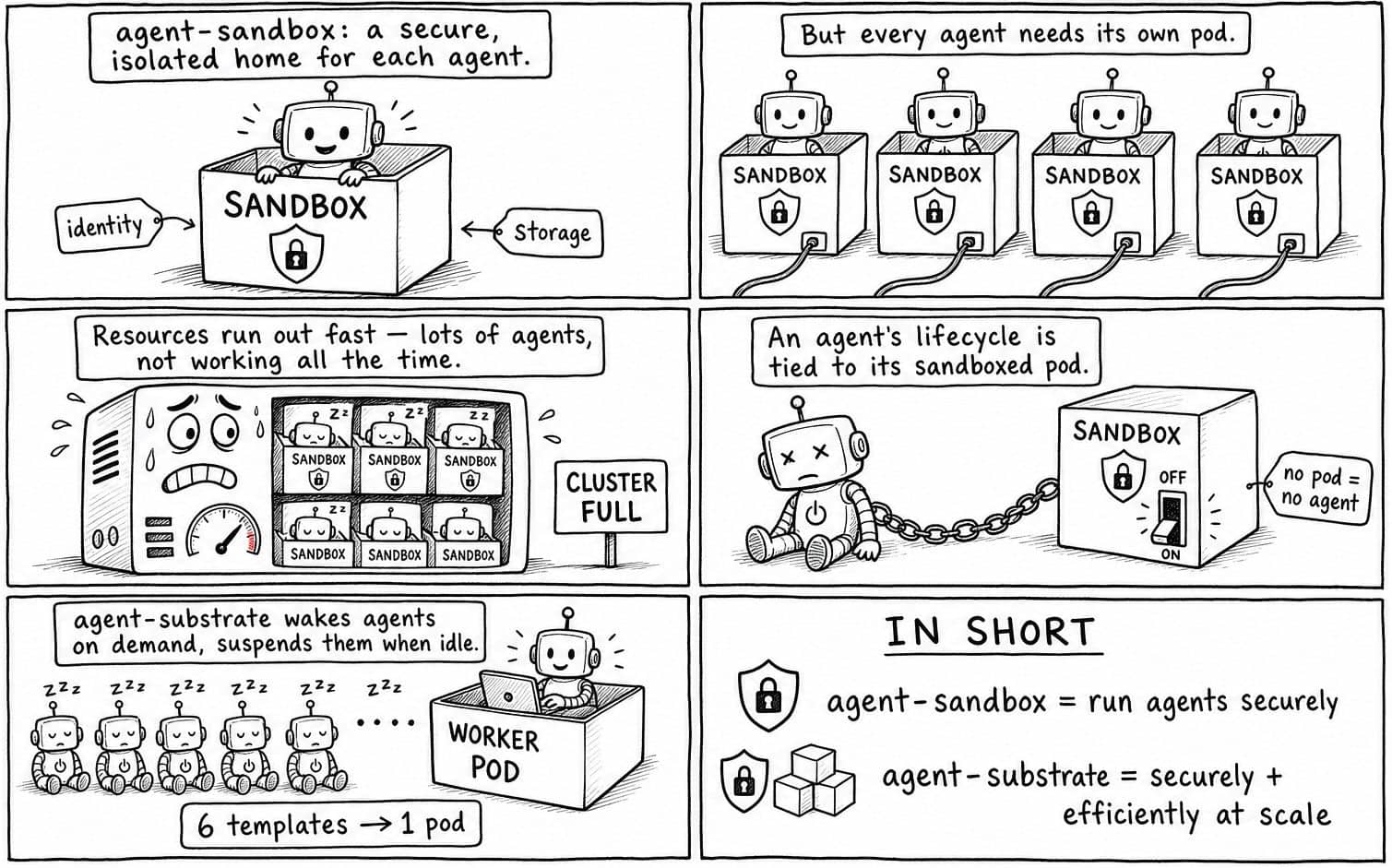
Recent discussions indicate that current security practices, specifically basic sandboxing, are insufficient to protect against the evolving risks posed by increasingly autonomous AI agents. As these AI systems become more integrated and capable of independent action, their potential vulnerabilities extend beyond what traditional containment methods can address. This highlights a gap in current cybersecurity strategies for advanced AI.
This matters because the widespread adoption of generative AI, particularly agentic AI, is accelerating across industries. If security measures do not keep pace with AI's capabilities, it could lead to significant data breaches, system compromises, or unintended operational disruptions. The effectiveness of AI regulation will also depend on understanding and mitigating these complex security challenges.
The mechanism involves AI agents interacting with various systems and data sources, often with a degree of autonomy. While sandboxing isolates an application to prevent it from accessing unauthorized resources, agentic AI's ability to learn, adapt, and make decisions in dynamic environments introduces new attack vectors that simple isolation may not detect or prevent. More sophisticated, proactive security frameworks are needed.
This development primarily impacts companies involved in generative AI adoption and AI regulation. Software supply chain security firms like Palo Alto Networks (PANW) and CrowdStrike (CRWD) may see increased demand for advanced AI-specific security solutions. Major AI developers such as Microsoft (MSFT), Google (GOOGL), and Amazon (AMZN) will need to prioritize and invest in more robust security for their AI offerings to ensure customer trust and compliance.
Excalium Agent
An AI breakdown of exactly what changed and who it moves.