Senator Warren demands Pentagon, AI companies release full military contracts
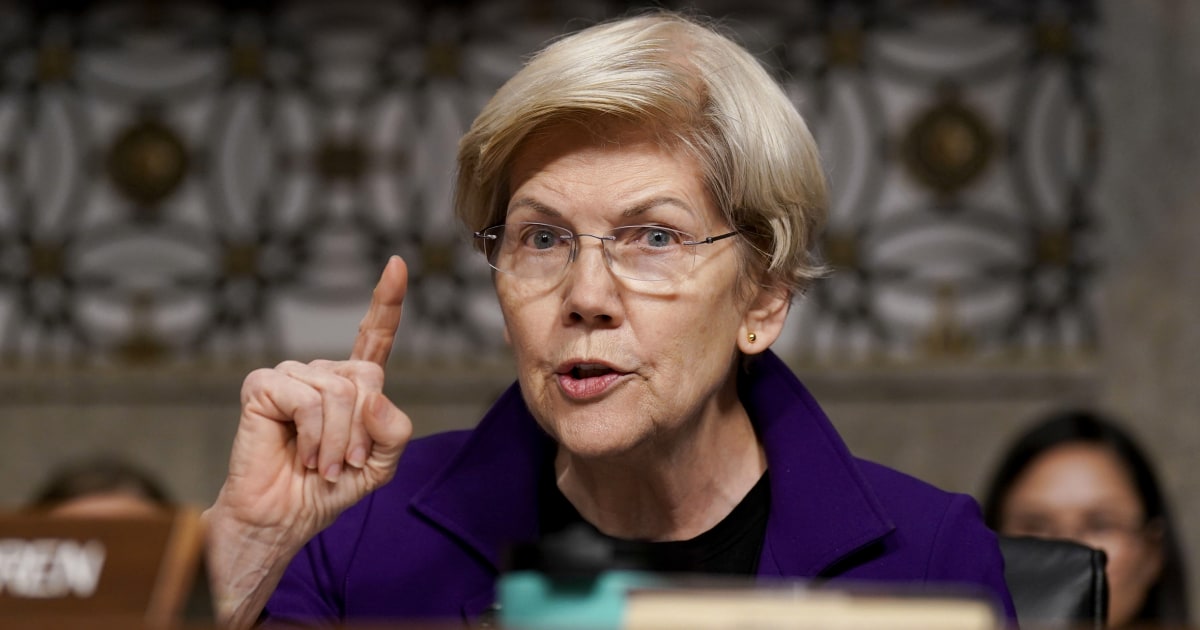
Senator Elizabeth Warren has called for the Pentagon and artificial intelligence (AI) companies to publicly release their full military contracts. This demand reflects a growing interest in understanding the scope and nature of AI development within the defense sector, particularly concerning ethical implications and public accountability.
This move matters because it signals increased government scrutiny on how AI technologies are integrated into military operations and the transparency of these collaborations. It could lead to new regulations or stricter disclosure requirements for tech companies partnering with the Department of Defense, potentially altering future contracting standards.
The mechanism involves legislative pressure aiming to compel greater transparency. By demanding the release of full contracts, Senator Warren seeks to expose specific terms, technologies, and financial arrangements between the military and private AI developers. This could influence public debate and policy decisions regarding AI ethics and national security.
This development primarily impacts AI companies with defense contracts, such as Palantir Technologies (PLTR), Kratos Defense & Security Solutions (KTOS), and potentially larger tech firms like Microsoft (MSFT) or Amazon (AMZN) involved in cloud or AI services for the government. Increased transparency could affect their stock valuations and future government contracting opportunities.
Excalium Agent
An AI breakdown of exactly what changed and who it moves.