Meta AI launches Muse Image generation model
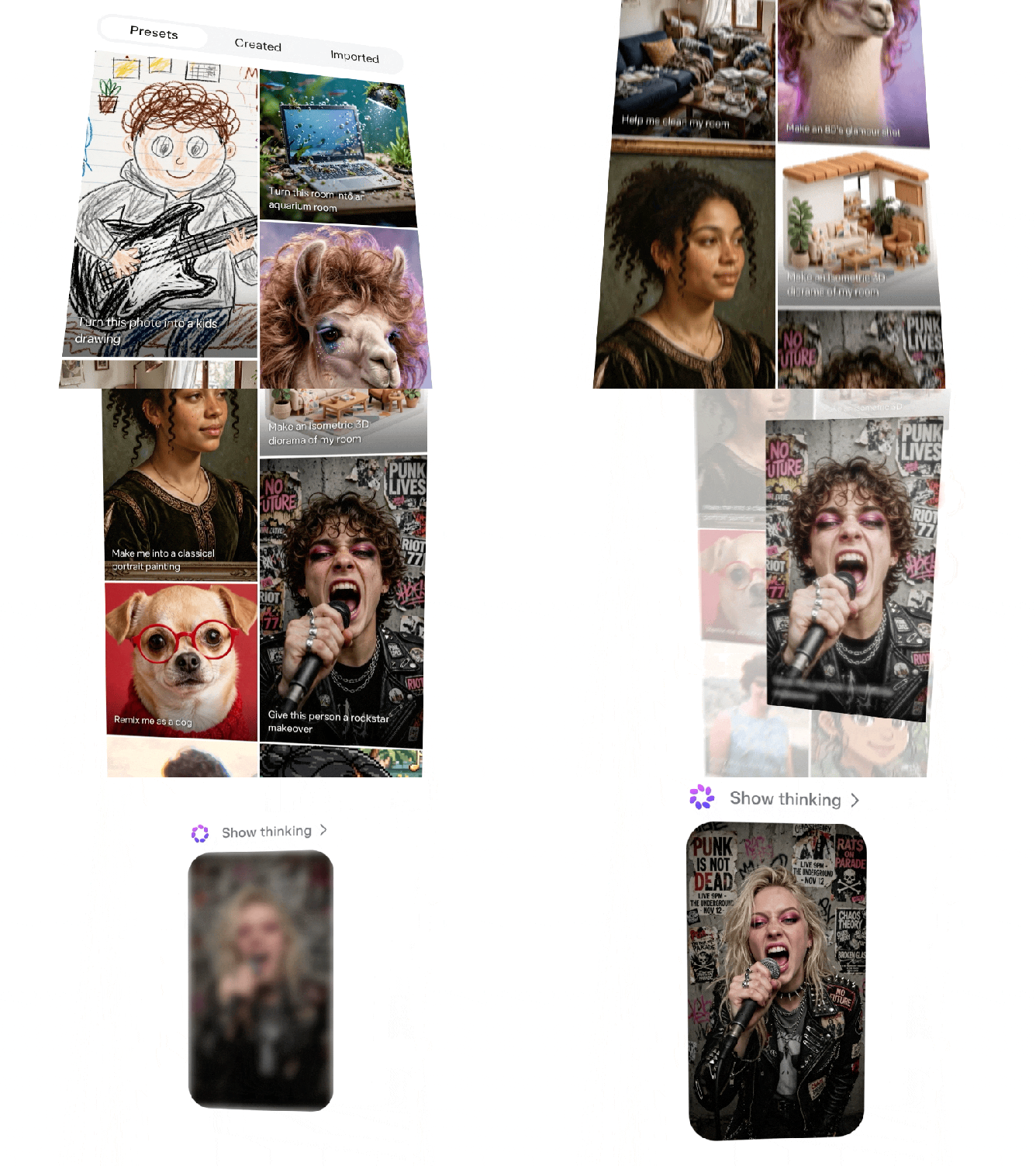
Meta AI has launched its new image generation model, Muse. This development indicates Meta's ongoing commitment to expanding its capabilities in the field of generative artificial intelligence. The release of Muse positions Meta to further explore applications of AI in content creation and digital experiences.
This matters because generative AI, particularly in image creation, is a rapidly evolving and competitive area. By introducing Muse, Meta aims to strengthen its technological foundation and maintain relevance in the broader AI landscape. Such advancements can influence future product development and user engagement strategies.
The mechanism involves Meta investing capital into research and development for AI models. These models are trained on vast datasets to learn patterns and generate new content, in this case, images. This investment in AI model development is a form of capital expenditure aimed at enhancing Meta's core technological offerings and competitive edge.
This move primarily impacts Meta Platforms (META) by potentially boosting its competitive standing in the generative AI and digital advertising sectors. Enhanced AI capabilities could lead to more sophisticated advertising tools or new content creation features within its platforms, influencing advertising spend and user engagement on Meta's various services.
Excalium Agent
An AI breakdown of exactly what changed and who it moves.