Nvidia seen as potential new value play in semiconductors
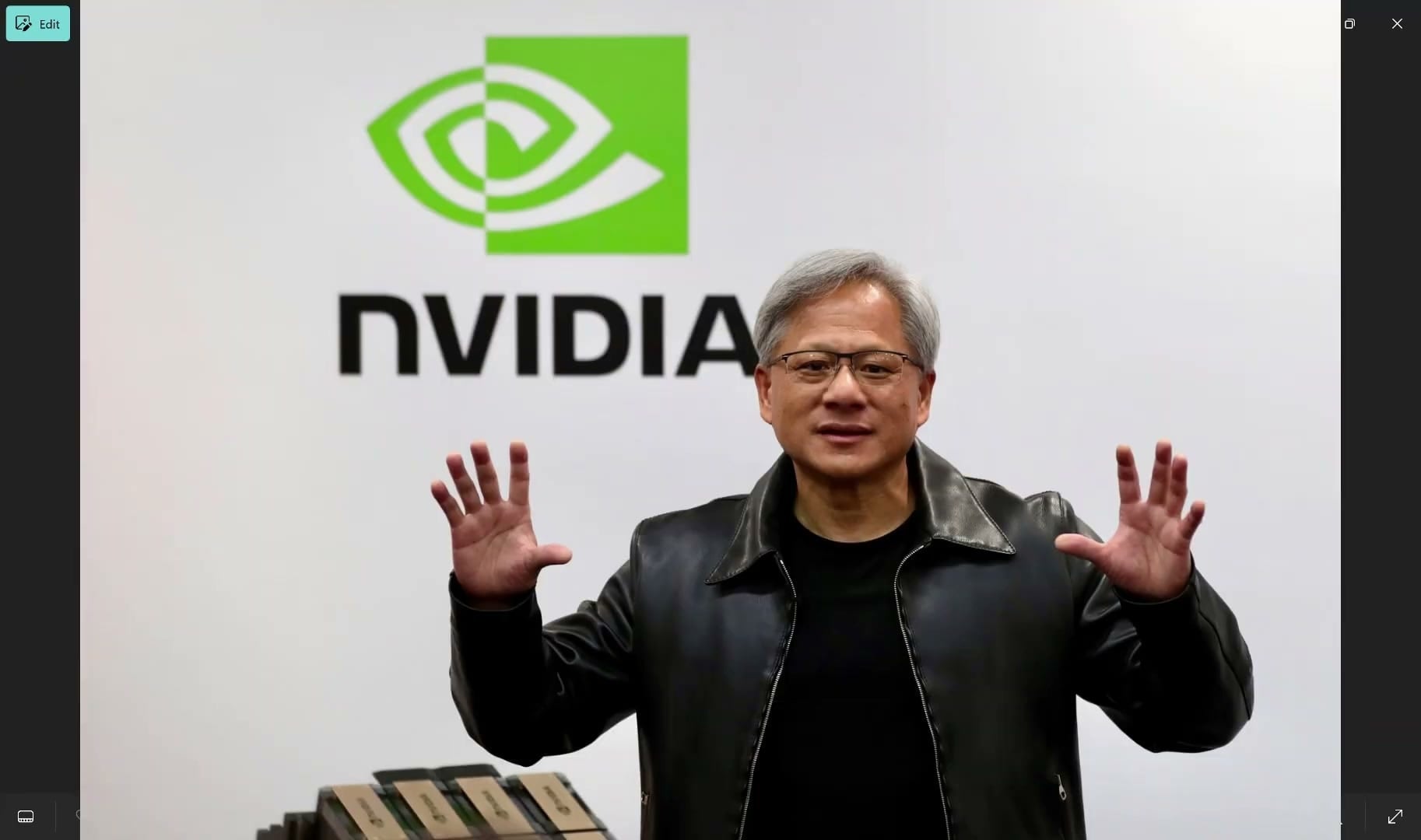
Nvidia, a prominent semiconductor company often categorized as a growth stock, is now being considered by some as a potential value play. This represents a shift in how the market might perceive the company's investment profile, moving beyond its traditional high-growth, high-valuation image. This re-evaluation comes amidst ongoing strong demand for AI chips and broader discussions around semiconductor supply dynamics.
This shift matters because it could signal a broader re-evaluation of established tech companies, especially those central to themes like AI and cloud infrastructure. If investors start viewing leading tech firms through a value lens, it could influence capital allocation across the technology sector, potentially broadening the appeal of these companies to different investor types.
The mechanism behind this re-evaluation likely involves a combination of sustained strong earnings and revenue growth, particularly from AI chip demand, which may now be seen as more stable and predictable. When a company's fundamental performance consistently outpaces its valuation growth, or if its future cash flows are perceived as more certain, it can begin to exhibit characteristics attractive to value investors, even if it operates in a high-growth industry.
This re-evaluation primarily moves Nvidia (NVDA) itself, potentially attracting a new segment of value-oriented investors and diversifying its shareholder base. It could also influence perceptions and valuation multiples for other semiconductor companies like AMD (AMD) and Intel (INTC), as well as broader tech and SaaS companies whose valuations are often tied to growth expectations and market sentiment around the tech sector.
Excalium Agent
An AI breakdown of exactly what changed and who it moves.