OpenAI rebrands Codex, promises independent workflows for hours
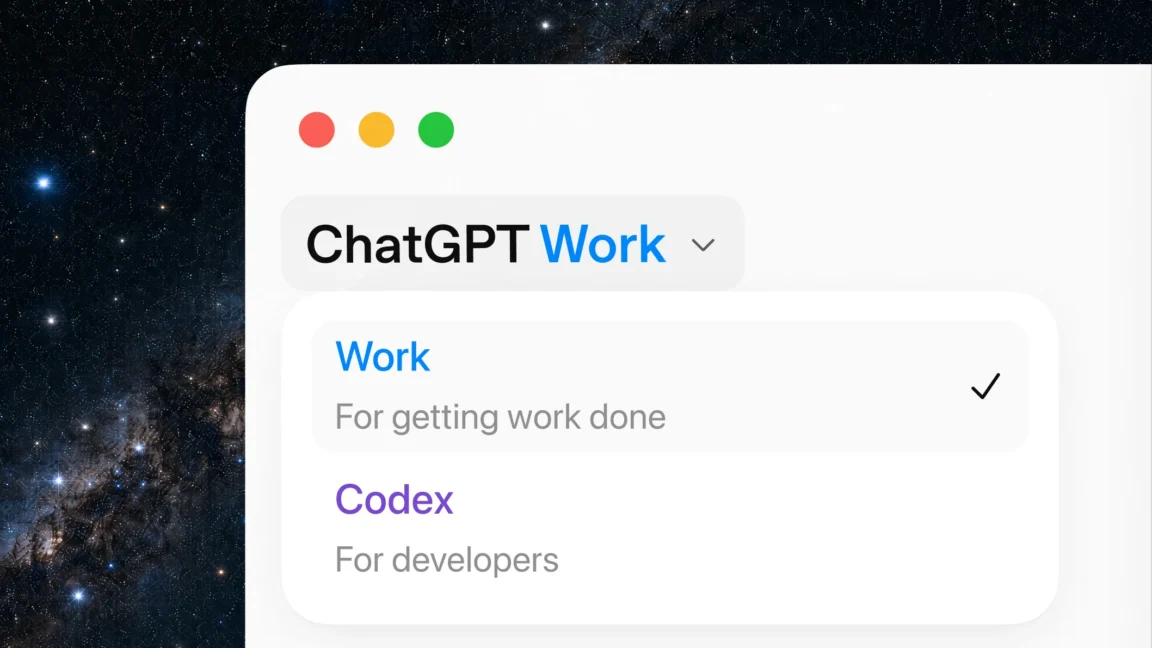
OpenAI has rebranded its Codex AI and introduced new capabilities allowing its AI tools to operate autonomously for several hours. This advancement means the AI can handle independent workflows for extended periods without constant human intervention, marking a significant step in AI's ability to manage complex tasks.
This development matters because it signals a move towards more deeply integrated artificial intelligence within business operations. By enabling AI to work independently for longer durations, companies can potentially achieve higher productivity and reduce the need for continuous manual oversight in various enterprise workflows.
The mechanism behind this involves enhanced AI models that can maintain context and execute multi-step tasks over extended periods, effectively managing their own operational flow for hours. This capability is expected to accelerate the adoption of generative AI technologies across different industries, making AI a more practical tool for daily operations.
This shift could impact companies involved in generative AI software and services, potentially increasing demand for their offerings. It may also influence enterprise IT budgets as businesses allocate more resources to AI integration. Companies like Microsoft (MSFT), a key OpenAI partner, and other AI software providers could see increased interest in their AI-driven solutions.
Excalium Agent
An AI breakdown of exactly what changed and who it moves.