StepFun, ZTE's Nubia vie for 'world's first AI agent smartphone'
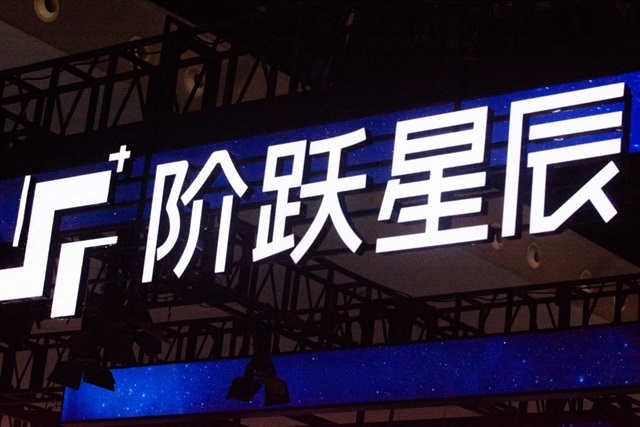
ZTE's Nubia brand and another company called StepFun are competing to launch what they claim will be the 'world's first AI agent smartphone.' This indicates a growing focus among smartphone manufacturers on integrating advanced artificial intelligence directly into their devices, moving beyond simple AI features to more comprehensive 'agent' capabilities.
This competition matters because it highlights an accelerating trend in smartphone innovation. Companies are pushing the boundaries of what smartphones can do with on-device AI, aiming to offer more sophisticated and personalized user experiences through these AI agents. This could represent a significant shift in smartphone functionality.
The mechanism behind this involves embedding powerful AI models directly onto the smartphone's chipsets, enabling the device to perform complex AI tasks locally rather than relying solely on cloud-based processing. These 'AI agents' are designed to understand user intent and proactively assist with various tasks, making the phone more intelligent and autonomous.
This development could drive increased consumer demand for new smartphone models as users seek out these advanced AI capabilities. It will impact the competitive landscape among device manufacturers, potentially benefiting companies like ZTE (000063.SZ, 0763.HK) that successfully integrate and market these AI agent features, while pressuring competitors to innovate similarly.
Excalium Agent
An AI breakdown of exactly what changed and who it moves.