China AI talent demand expands to chips, rare earths, new materials
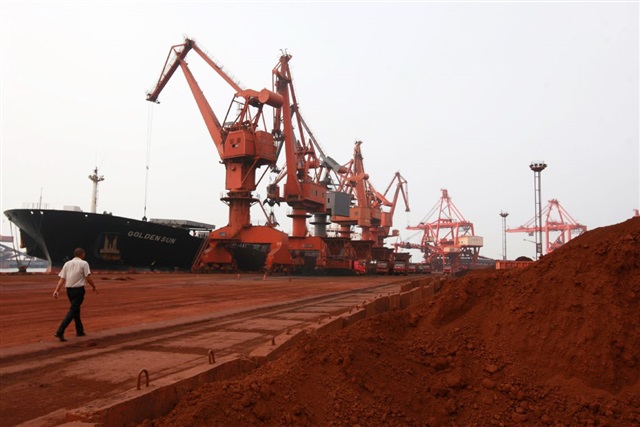
China is seeing increased demand for AI-related talent, with this expansion now including specialized areas like chip design, rare earth processing, and new material development. This indicates a broadening of China's strategic initiatives beyond just software and algorithms to encompass the foundational hardware and materials necessary for advanced AI capabilities.
This shift matters because it highlights China's intensified drive for self-sufficiency across its entire AI supply chain. By focusing on domestic talent in critical areas, China aims to reduce its reliance on foreign technology and materials, particularly in the face of ongoing export controls and geopolitical tensions.
The mechanism involves significant government and industry investment in training and recruiting experts in these specific fields. This push is designed to build indigenous capabilities for designing and manufacturing advanced AI chips, processing essential rare earth elements, and developing novel materials crucial for next-generation AI hardware.
This trend could impact companies involved in the global semiconductor supply chain, rare earth mining and processing, and advanced materials. Firms like Applied Materials (AMAT), ASML Holding (ASML), and various rare earth producers could see shifts in demand or supply dynamics as China strengthens its domestic ecosystem.
Excalium Agent
An AI breakdown of exactly what changed and who it moves.