TSMC, Samsung raise foundry prices; Rapidus aims to undercut 2nm
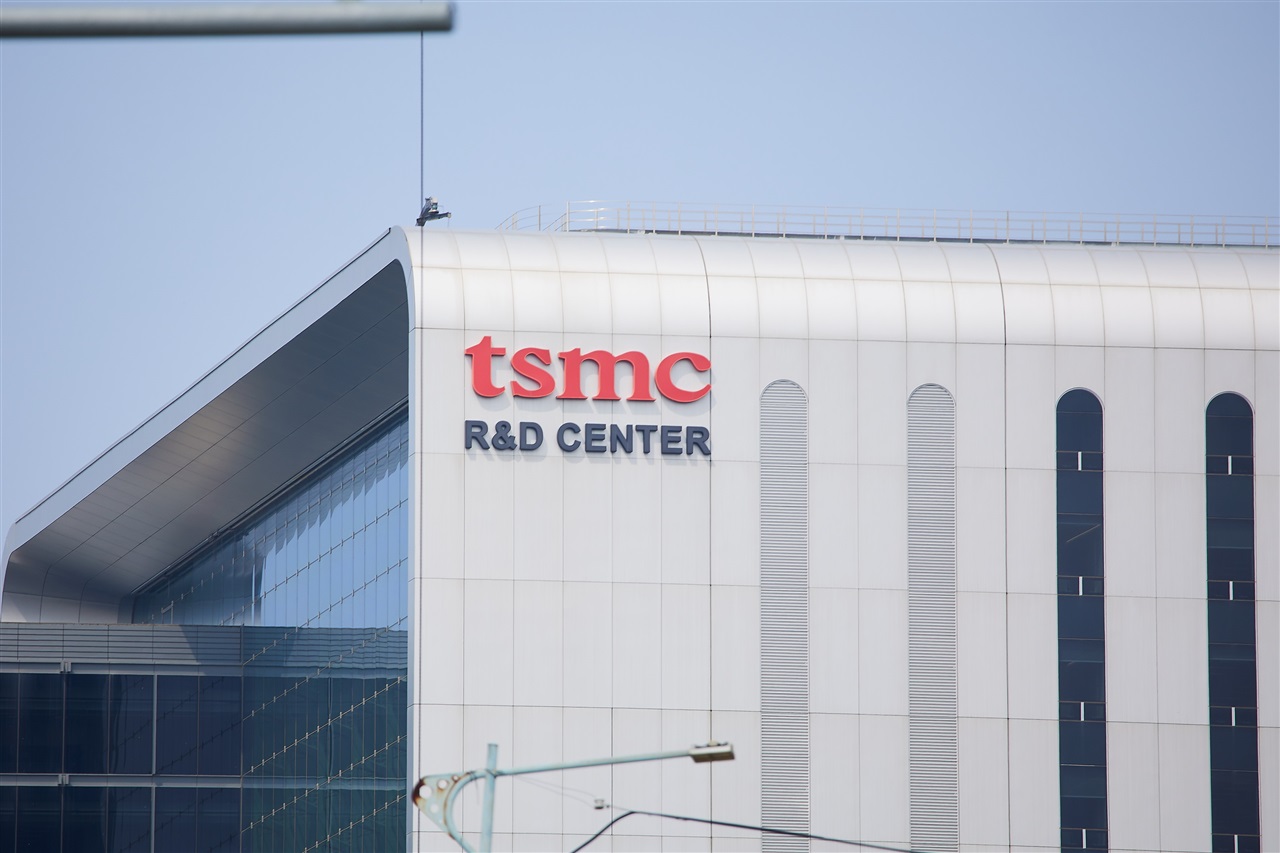
TSMC and Samsung, major semiconductor foundries, have increased their chip manufacturing prices. This move comes as demand for artificial intelligence (AI) chips continues to surge, indicating robust growth within the semiconductor sector. However, this also suggests that hardware manufacturers further down the supply chain may face higher production costs.
The price hikes matter because they reflect a tightening supply for advanced chips, driven by AI. While beneficial for foundry revenue, these increases could squeeze profit margins for companies that rely on these chips for their products. It also signals strong underlying demand for AI infrastructure and related technologies.
The mechanism behind this involves the basic principles of supply and demand. High demand for AI chips, coupled with the complex and expensive manufacturing processes at leading foundries like TSMC and Samsung, allows these companies to command higher prices. Additionally, new entrant Rapidus aims to undercut 2nm chip pricing, potentially intensifying future competition.
This development primarily moves TSMC (TSM) and Samsung Electronics (005930.KS) positively due to higher revenue per chip. Conversely, companies like Nvidia (NVDA), AMD (AMD), and Apple (AAPL), which are major customers for advanced chips, could see increased input costs. Rapidus's strategy might pressure future pricing for all major foundries.
Excalium Agent
An AI breakdown of exactly what changed and who it moves.