China's silicon-to-agent AI stack headlines WAIC 2026 in Shanghai
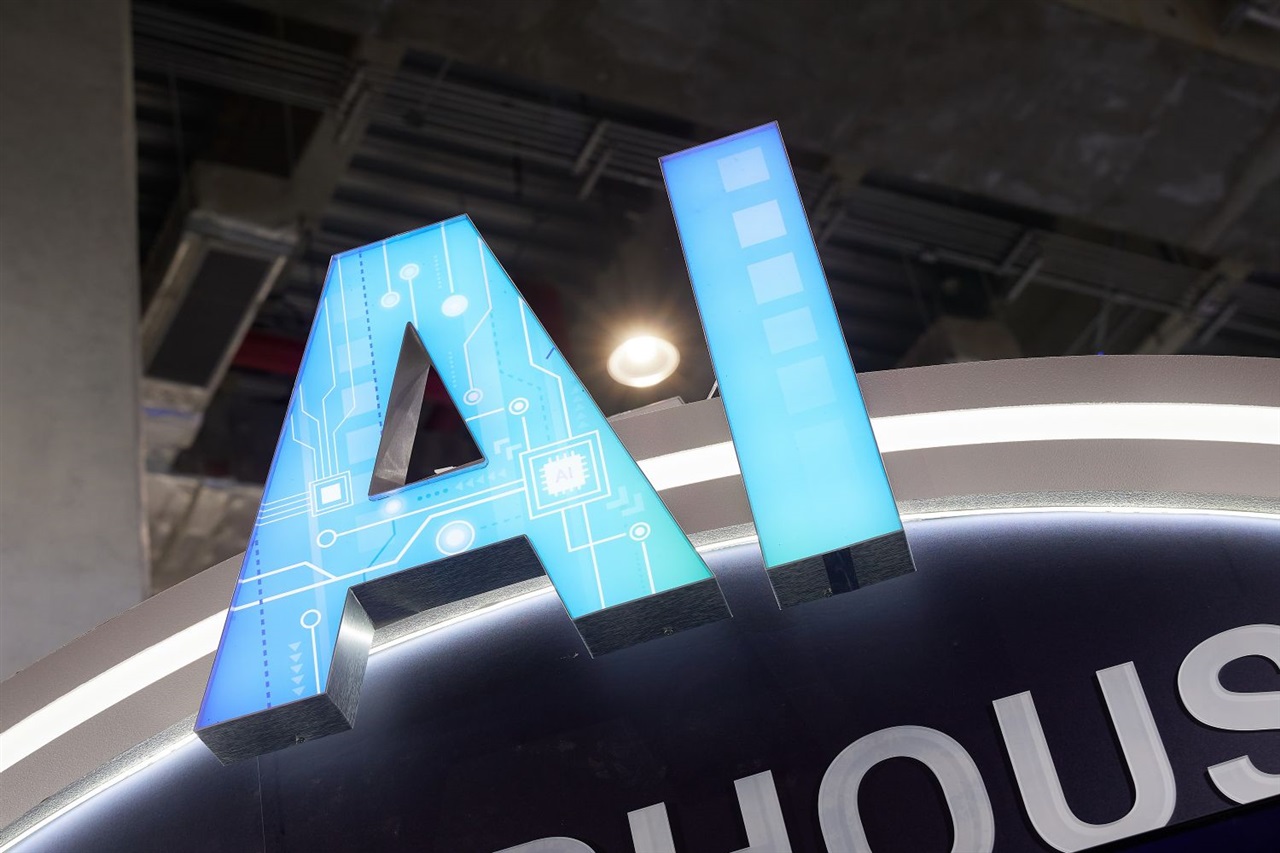
China's "silicon-to-agent" AI stack was a major focus at the World Artificial Intelligence Conference (WAIC) 2026 in Shanghai. This initiative highlights the country's commitment to building a complete domestic AI ecosystem, encompassing everything from foundational semiconductor hardware to advanced AI applications and agents.
This development is significant because it underscores China's strategic drive for self-sufficiency in artificial intelligence. By developing an end-to-end domestic AI supply chain, China aims to reduce its reliance on foreign technology, particularly in critical areas like AI chips, which are subject to export controls.
The mechanism involves substantial investment in domestic AI chip design and manufacturing capabilities, alongside the development of proprietary AI models and software platforms. This integrated approach seeks to create a robust, self-contained AI industry that can compete globally and mitigate the impact of external supply chain disruptions.
This move could impact companies involved in AI chip manufacturing and design, potentially increasing demand for domestic Chinese semiconductor firms while altering market dynamics for international players like NVIDIA (NVDA) and AMD (AMD). It also signals increased capital expenditure for AI model development within China, affecting global AI software and service providers.
Excalium Agent
An AI breakdown of exactly what changed and who it moves.