OpenAI: big launch, bigger departure
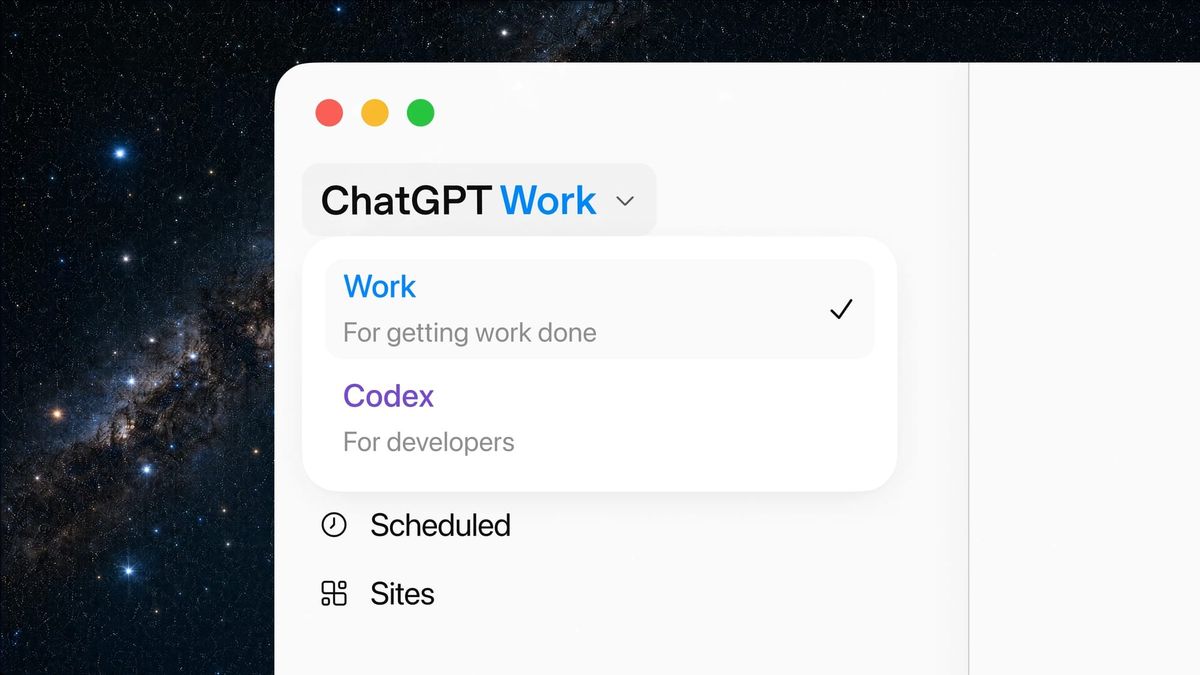
OpenAI recently experienced the departure of key personnel shortly after a significant product launch. This event suggests potential internal disagreements or a change in strategic priorities within the company, which operates at the forefront of the rapidly evolving artificial intelligence industry.
This matters because high-profile departures from a leading AI firm can signal instability or a shift in its core strategy, potentially affecting investor confidence. In the generative AI sector, such events can influence perceptions of a company's ability to execute on its AI model development and manage substantial capital expenditures.
The mechanism involves how internal strife or strategic realignments can disrupt ongoing AI research and development efforts, potentially delaying new product introductions or altering the company's competitive stance. This could also impact the broader discussion around AI regulation as leadership changes might influence OpenAI's approach to compliance and ethical AI development.
This development primarily moves OpenAI itself, a private company, by potentially affecting its valuation and future funding rounds. It also indirectly impacts other companies in the generative AI space, such as Microsoft (MSFT) due to its significant investment and partnership with OpenAI, and competitors like Alphabet (GOOGL) and Meta Platforms (META) as the competitive landscape shifts.
Excalium Agent
An AI breakdown of exactly what changed and who it moves.