Pentagon faces AI disinformation gap, potential national security risk
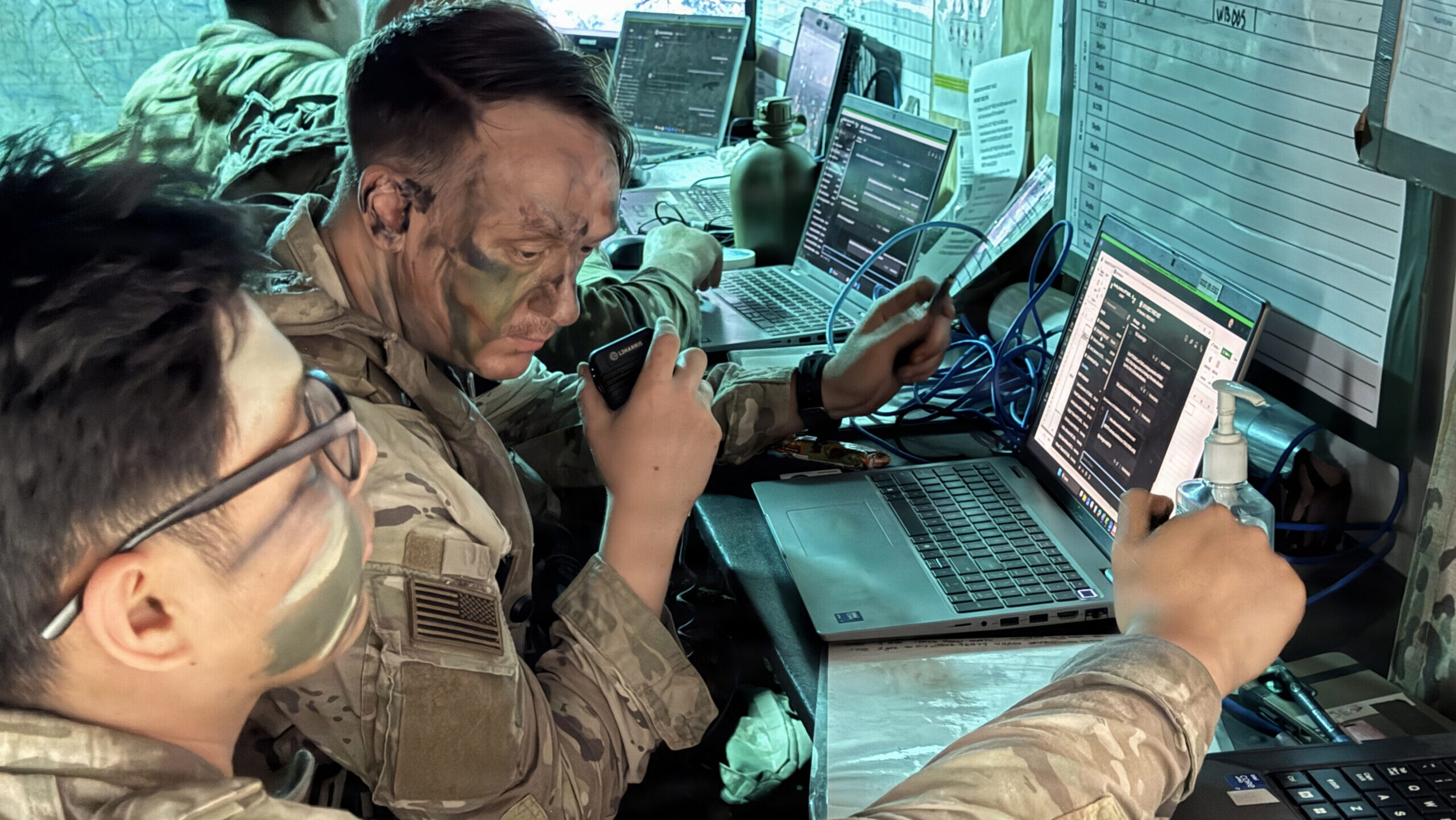
The Pentagon is reportedly facing a gap in its ability to address AI-driven disinformation, which could pose a substantial risk to national security. This oversight suggests that current strategies may not be sufficient to counter advanced propaganda and misinformation campaigns generated or amplified by artificial intelligence technologies.
This situation matters because AI disinformation can destabilize public trust, influence elections, and undermine military operations, creating a complex challenge for defense. The potential national security risk could necessitate new policies and increased investment in countermeasures, shifting priorities within defense budgets.
The mechanism involves AI's capacity to generate highly convincing fake news, images, and videos (deepfakes) at scale, making it difficult to discern truth from fiction. If not adequately addressed, adversaries could exploit this capability to manipulate public opinion or sow discord, impacting strategic communication and intelligence efforts.
This development could influence defense spending, potentially increasing allocations for AI-powered defense solutions and cybersecurity. Companies with significant government contracts, especially those involved in AI development, national security, and information warfare countermeasures, such as Palantir Technologies (PLTR) or C3.ai (AI), may see increased demand or shifts in project focus.
Excalium Agent
An AI breakdown of exactly what changed and who it moves.