Europe AC market poised for environmentally friendly tech revolution
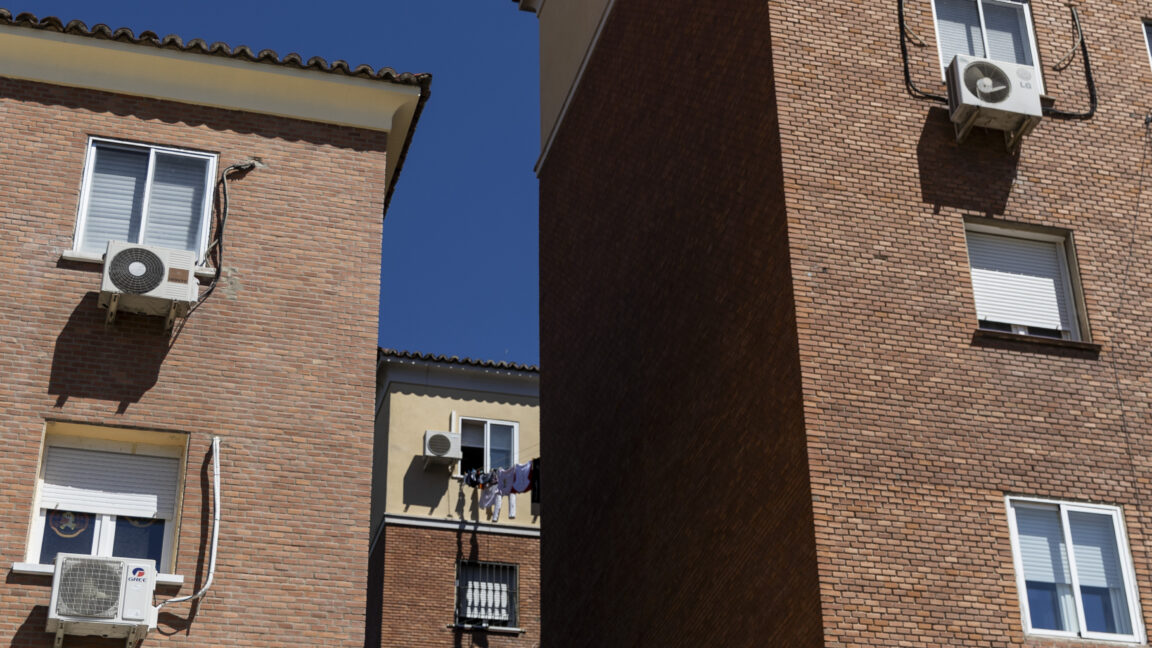
The European air conditioning market is on the cusp of a major shift, driven by advancements in environmentally friendly technologies. This revolution involves the development and adoption of more sustainable climate control solutions that aim to reduce environmental impact compared to traditional AC systems.
This development matters because it signals a move towards greener infrastructure and energy efficiency within Europe. Increased adoption of these technologies could lead to lower energy consumption and reduced greenhouse gas emissions from cooling systems, aligning with broader environmental goals and regulations.
The mechanism involves the introduction of new AC units and systems that utilize refrigerants with lower global warming potential, improved energy efficiency ratings, and potentially alternative cooling methods. This will likely involve a gradual replacement of older, less efficient units with these newer, more sustainable options across residential, commercial, and industrial sectors.
This trend is poised to benefit companies involved in the production and installation of sustainable HVAC (heating, ventilation, and air conditioning) technologies. Manufacturers of eco-friendly AC units, such as Daikin (DKILY), Mitsubishi Electric (MIELY), and Carrier Global (CARR), could see increased demand. Companies specializing in energy-efficient building solutions and green technology integration may also experience growth.
Excalium Agent
An AI breakdown of exactly what changed and who it moves.