Fed Vice Chair dinner attendance prompts ethics investigation call
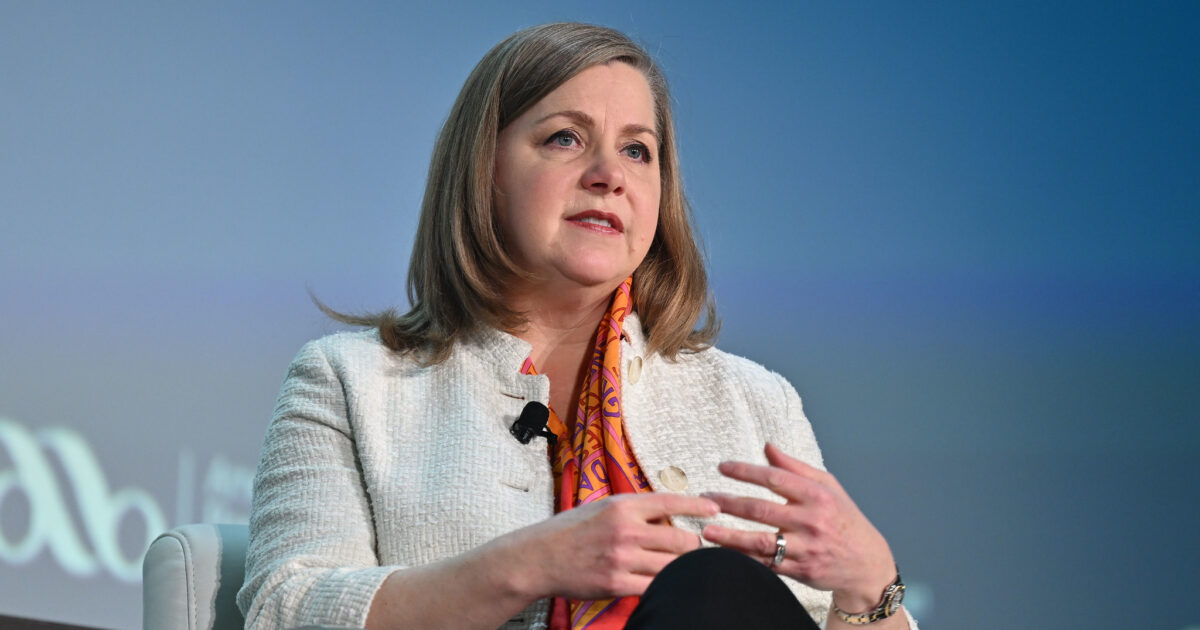
A call has been made for an ethics investigation into a Federal Reserve Vice Chair. The concern stems from the Vice Chair's attendance at a dinner with executives from Bank of America. This situation has prompted questions regarding potential conflicts of interest and the perceived independence of the Federal Reserve's decision-making processes.
This event matters because the Federal Reserve is responsible for setting monetary policy, including interest rates, which profoundly affects the broader economy. Any perception of undue influence from large financial institutions like Bank of America could erode public and market confidence in the impartiality and integrity of these critical policy decisions.
The mechanism at play involves the potential for information asymmetry or perceived favoritism. If a senior Fed official is seen as too close to a specific bank, it could suggest that policy decisions might be influenced by private interests rather than solely by economic data and the Fed's dual mandate of maximum employment and price stability.
This development primarily moves market confidence in the Federal Reserve and potentially the broader financial sector. While no direct company action is implied, major financial institutions like Bank of America (BAC) could face increased scrutiny regarding their interactions with regulators. Broader market sentiment, particularly around interest rate expectations and regulatory oversight, could also be affected.
Excalium Agent
An AI breakdown of exactly what changed and who it moves.