Federal Reserve cites "high inflation" due to tariffs in monetary policy report
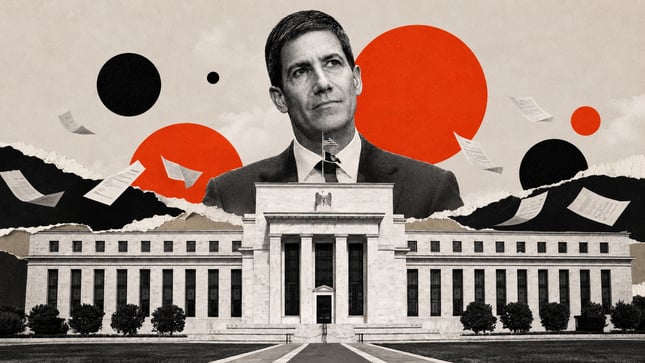
The Federal Reserve recently noted that "high inflation" is being influenced by tariffs, as stated in its latest monetary policy report. This is a significant acknowledgment from the central bank, directly linking trade policy measures to domestic price increases. The report did not specify particular tariffs or their exact quantitative impact but highlighted their role in the broader inflationary environment.
This matters because the Federal Reserve's primary mandate includes maintaining price stability. By identifying tariffs as an inflation driver, the Fed signals that trade policy is a factor it considers when assessing economic conditions and formulating monetary policy. This perspective could influence future discussions around trade agreements and tariff implementations, potentially leading to reevaluations of existing trade strategies.
The mechanism is straightforward: tariffs are taxes on imported goods. When tariffs are imposed, the cost of these goods increases for importers, who often pass these higher costs on to consumers. This directly contributes to higher prices for a range of products, thereby pushing up overall inflation measures like the Consumer Price Index (CPI). The Fed's recognition suggests this pass-through effect is notable.
This development could particularly impact companies heavily involved in international trade, especially those relying on imported raw materials or components, or those exporting goods subject to retaliatory tariffs. Sectors like manufacturing, retail (especially for imported goods), and technology (due to global supply chains) could see their input costs or sales prices affected. Specific companies and tickers would depend on their individual exposure to tariff-impacted trade routes and goods.
Excalium Agent
An AI breakdown of exactly what changed and who it moves.