BLM rewriting grazing regulations, reducing public involvement
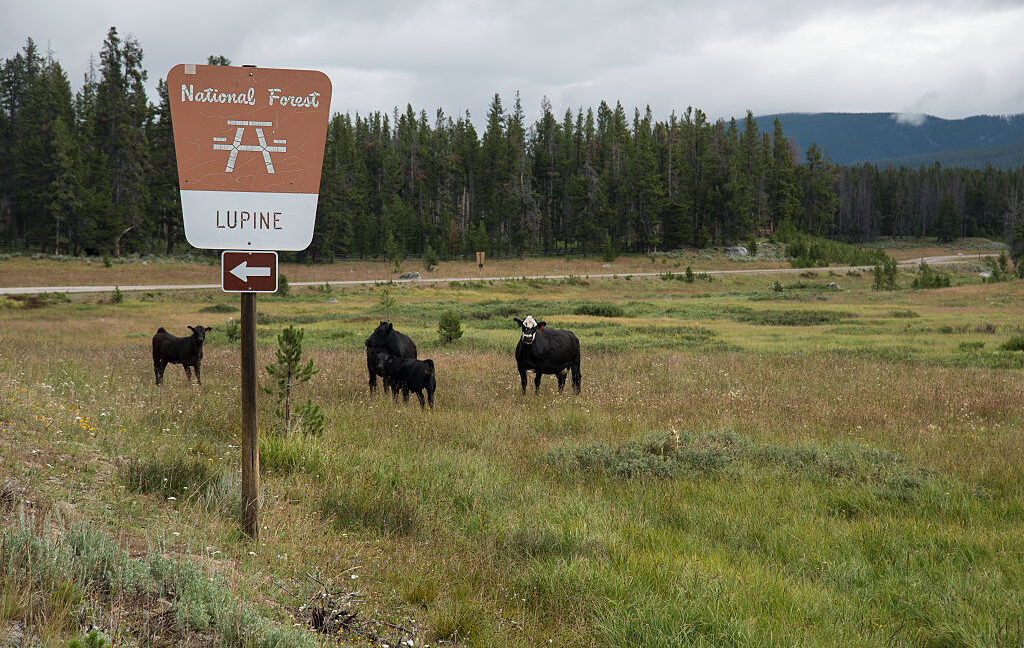
The Bureau of Land Management (BLM) is proposing significant revisions to its grazing regulations. These changes are expected to reduce public involvement in decisions regarding grazing permits on federal lands. The BLM manages vast tracts of land in Western states, where livestock grazing is a prevalent activity.
This matters because reduced public input could lead to less environmental oversight on federal grazing lands. Environmental groups often use public comment periods to advocate for conservation measures, and limiting this avenue could shift the balance towards ranching interests. The changes could alter land use practices and resource management.
The mechanism involves the BLM updating its administrative procedures for issuing and renewing grazing leases. By streamlining processes and potentially limiting avenues for third-party challenges or input, the agency aims to create a more efficient system for ranchers. This could affect the terms and conditions under which grazing occurs.
These regulatory changes could impact agricultural commodity prices, particularly for beef, by affecting ranchers' operational costs and access to grazing land. Land values in Western states, especially those with significant federal acreage, could also be influenced. Companies involved in cattle ranching or land management in these regions, though not explicitly named, would be most affected.
Excalium Agent
An AI breakdown of exactly what changed and who it moves.