China recovers reusable rocket, signals space tech advancement
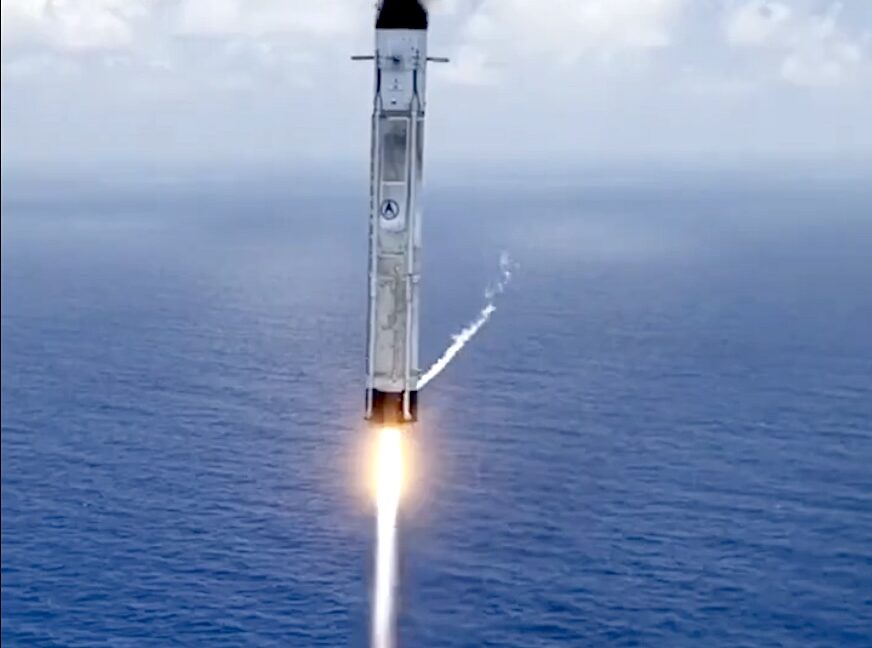
China successfully recovered a reusable rocket, a significant technological achievement. This event signals China's advancement in space technology, moving closer to capabilities long held by a few other nations. The recovery demonstrates their ability to develop and deploy sophisticated space launch systems.
This development matters because reusable rockets drastically reduce the cost of space launches. By recovering and reusing expensive components, the overall expense per launch decreases, making space access more affordable. This could intensify competition in the global space launch market.
The mechanism involves rockets designed with components that can withstand re-entry into Earth's atmosphere and be precisely landed for refurbishment and subsequent reuse. This contrasts with traditional rockets, where most stages are expended after a single launch, falling into the ocean or burning up.
This advancement could impact companies involved in satellite deployment, such as SpaceX (private), United Launch Alliance (private), and Arianespace (private), by increasing competitive pressure. It also affects firms in space exploration and those reliant on launch services for their operations, potentially lowering future launch costs across the industry.
Excalium Agent
An AI breakdown of exactly what changed and who it moves.