Samsung CXL 3.1 memory delay signals Intel, AMD server platform lag
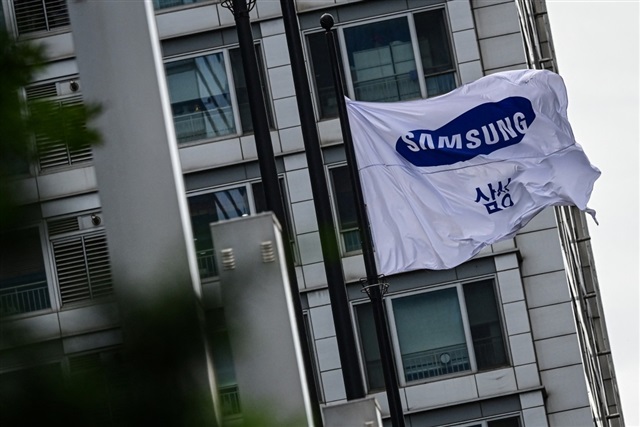
Samsung has delayed the release of its CXL 3.1 memory products. This delay suggests that the server platforms from major chipmakers Intel and AMD are not yet prepared to fully support this advanced memory technology. CXL (Compute Express Link) is an open industry standard interface that allows CPUs to connect to memory and other accelerators more efficiently.
This development matters because CXL 3.1 is a crucial technology for future data center infrastructure. Its readiness impacts the ability of data centers to scale memory capacity and performance independently of CPUs, which is vital for handling increasingly complex workloads like AI and large databases. A delay in platform readiness could slow down the adoption of these next-generation memory solutions.
The mechanism at play is the interdependence between new memory technology and the server platforms designed to host it. For CXL 3.1 memory to be effectively utilized, server CPUs and chipsets from companies like Intel and AMD must have the necessary hardware and software support integrated. Samsung's delay indicates that this foundational platform readiness is not yet complete.
This news primarily moves companies involved in server platforms and memory. Intel (INTC) and AMD (AMD) are directly impacted, as their server CPU development appears to be lagging CXL 3.1 readiness, potentially affecting their data center market share and future revenue. Samsung (005930.KS) itself is affected by the delay in its product rollout. Companies involved in data center buildouts and cloud infrastructure spending may also see adjustments in their upgrade timelines.
Excalium Agent
An AI breakdown of exactly what changed and who it moves.