Ghost Font aims to be human-readable, AI-unreadable
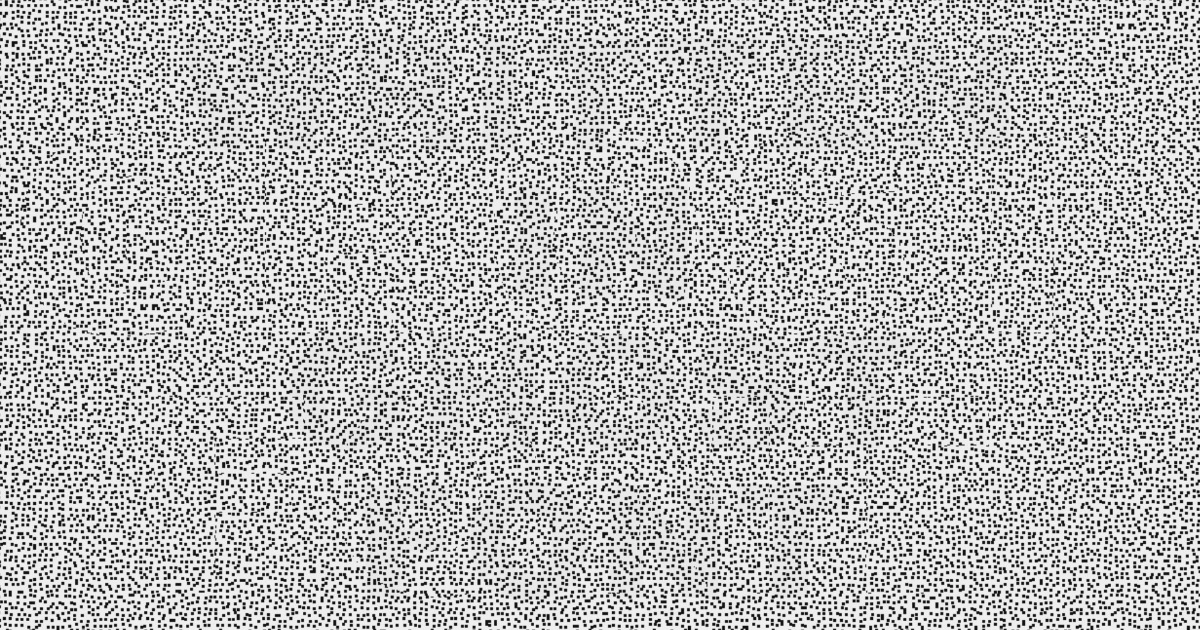
A new digital font, Ghost Font, is being developed with the goal of being easily readable by humans while simultaneously being difficult for artificial intelligence (AI) systems to process and understand. This innovation represents an effort to create digital content that can be consumed by people but remain largely invisible or unintelligible to AI algorithms, particularly those used for data scraping and analysis.
This development matters because it addresses growing concerns around data privacy, content ownership, and the pervasive nature of AI in processing digital information. If successful, Ghost Font could provide a mechanism for content creators and individuals to control how their digital text is accessed and utilized by AI, potentially limiting unauthorized data collection and AI training on specific content.
The mechanism behind Ghost Font likely involves subtle visual alterations or embedded metadata within the font's design that are imperceptible or irrelevant to the human eye but disruptive to AI's optical character recognition (OCR) and natural language processing (NLP) capabilities. These alterations would aim to confuse AI models, making accurate text extraction and interpretation challenging, without hindering human readability.
This technology could impact companies involved in generative AI adoption, data privacy regulation, and AI regulation. Companies like Alphabet (GOOGL), Meta Platforms (META), and Microsoft (MSFT) that rely on extensive data for AI training might face new challenges in data acquisition. Conversely, companies offering data privacy solutions or content protection services could see increased demand, potentially moving their stock positively.
Excalium Agent
An AI breakdown of exactly what changed and who it moves.