Iran faces severe wartime contraction and inflation
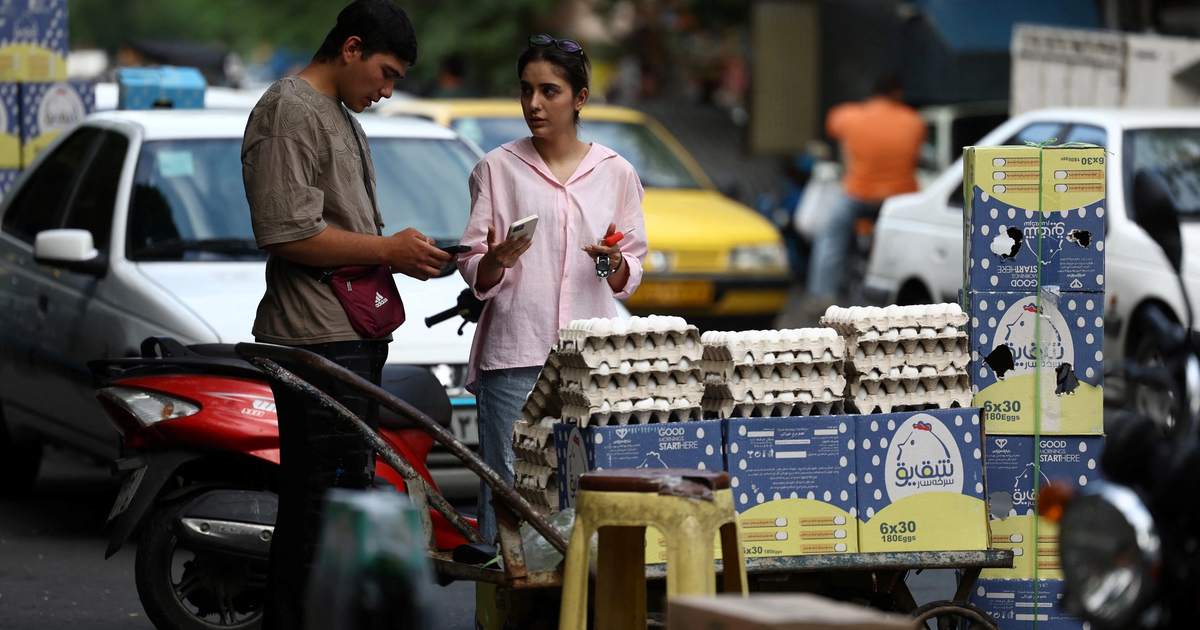
Iran is experiencing a severe economic contraction, often referred to as a recession, alongside high inflation. This situation suggests a period of significant economic instability within the country. Such conditions typically involve a shrinking economy, reduced production, and a decline in overall economic activity, coupled with rising prices for goods and services.
This economic instability in Iran matters because of the country's role in global energy markets and regional geopolitics. A struggling Iranian economy could lead to disruptions in oil supply or changes in its foreign policy, potentially influencing global oil prices and international relations. This creates uncertainty for investors.
The mechanism behind this involves the interplay of wartime conditions and economic fundamentals. Conflict often disrupts supply chains, diverts resources, and reduces investor confidence, all of which contribute to economic contraction. Simultaneously, currency devaluation and shortages of goods can fuel inflation, creating a challenging environment for businesses and consumers.
This situation primarily impacts global energy markets, potentially leading to volatility in oil prices, which could affect energy companies like ExxonMobil (XOM) or Chevron (CVX). It also influences investor sentiment towards emerging markets generally, as geopolitical instability can deter investment. Companies with significant exposure to the Middle East or global trade could also see indirect effects.
Excalium Agent
An AI breakdown of exactly what changed and who it moves.