Wall Street, Main Street sentiment split on gold amid CPI, Warsh testimony
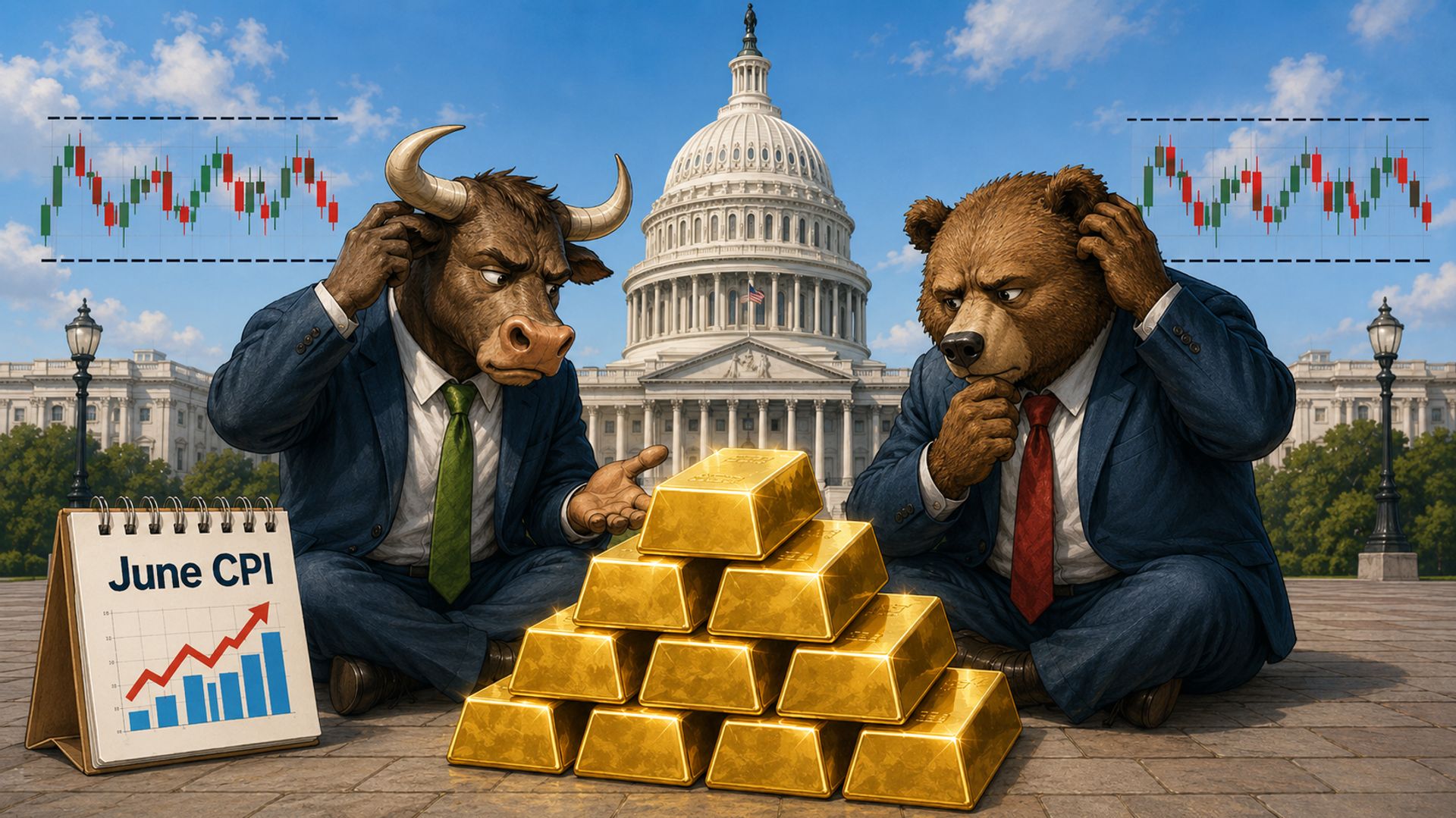
Investor sentiment regarding gold is currently split between Wall Street and Main Street. This division stems from uncertainty surrounding upcoming economic indicators and Federal Reserve communications. Key events expected to provide clarity include the release of new Consumer Price Index (CPI) data and testimony from former Federal Reserve Governor Kevin Warsh.
This split sentiment matters because gold is often seen as a hedge against inflation and economic instability. The CPI data will offer insights into current inflation trends, while Warsh's testimony could signal potential shifts in monetary policy or the Fed's outlook. These factors directly influence gold's attractiveness as an investment.
The mechanism involves how inflation and monetary policy affect real interest rates and the U.S. dollar. Higher inflation or a dovish Fed stance (suggesting lower future interest rates) typically makes non-yielding gold more appealing. Conversely, lower inflation or a hawkish Fed (suggesting higher rates) can strengthen the dollar and reduce gold's appeal.
This situation primarily moves gold prices (XAU/USD) and related exchange-traded funds (ETFs) like SPDR Gold Shares (GLD) and iShares Gold Trust (IAU). Mining companies such as Barrick Gold (GOLD) and Newmont (NEM) are also affected, as their profitability is tied to gold's market value. Broader market trends, including interest rate-sensitive sectors, could also see movement.
Excalium Agent
An AI breakdown of exactly what changed and who it moves.