Porsche warns China luxury car demand weak, product gap to 2028
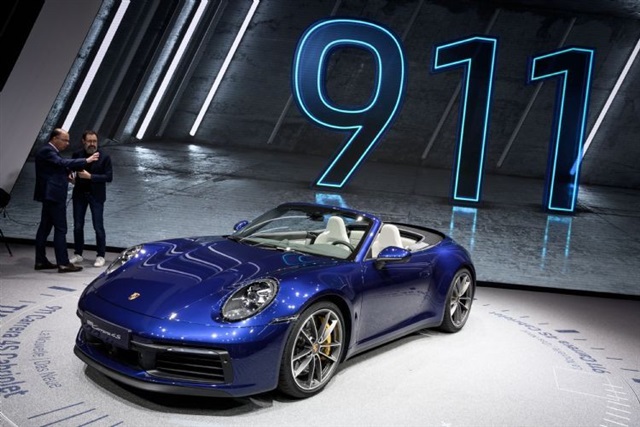
Porsche has issued a warning about weak demand for luxury cars in China. This indicates a continued slowdown in the Chinese premium automotive market, a significant region for global luxury brands. The company also highlighted a 'product gap' extending until 2028, suggesting a period without new model introductions relevant to the Chinese market.
This matters because China is a crucial market for luxury car manufacturers, often a primary driver of sales growth and profitability. Weak demand there can signal broader economic softness or changing consumer preferences within China's high-end segment. A product gap could lead to a loss of market share and revenue for Porsche over several years.
The mechanism is straightforward: reduced consumer spending on luxury goods in China directly translates to fewer sales for premium car brands. For Porsche, the product gap means fewer new or refreshed models to attract buyers, potentially ceding ground to competitors with newer offerings. This could be influenced by broader economic factors or shifts in EV adoption.
This news primarily moves Porsche (P911.DE) due to direct sales impact and strategic challenges. It could also affect other luxury automotive manufacturers with significant exposure to the Chinese market, such as Mercedes-Benz Group (MBG.DE), BMW (BMW.DE), and potentially Ferrari (RACE), as it signals a broader trend in the region's luxury consumer spending.
Excalium Agent
An AI breakdown of exactly what changed and who it moves.