BOJ rate hike risk builds as USDJPY eyes 175
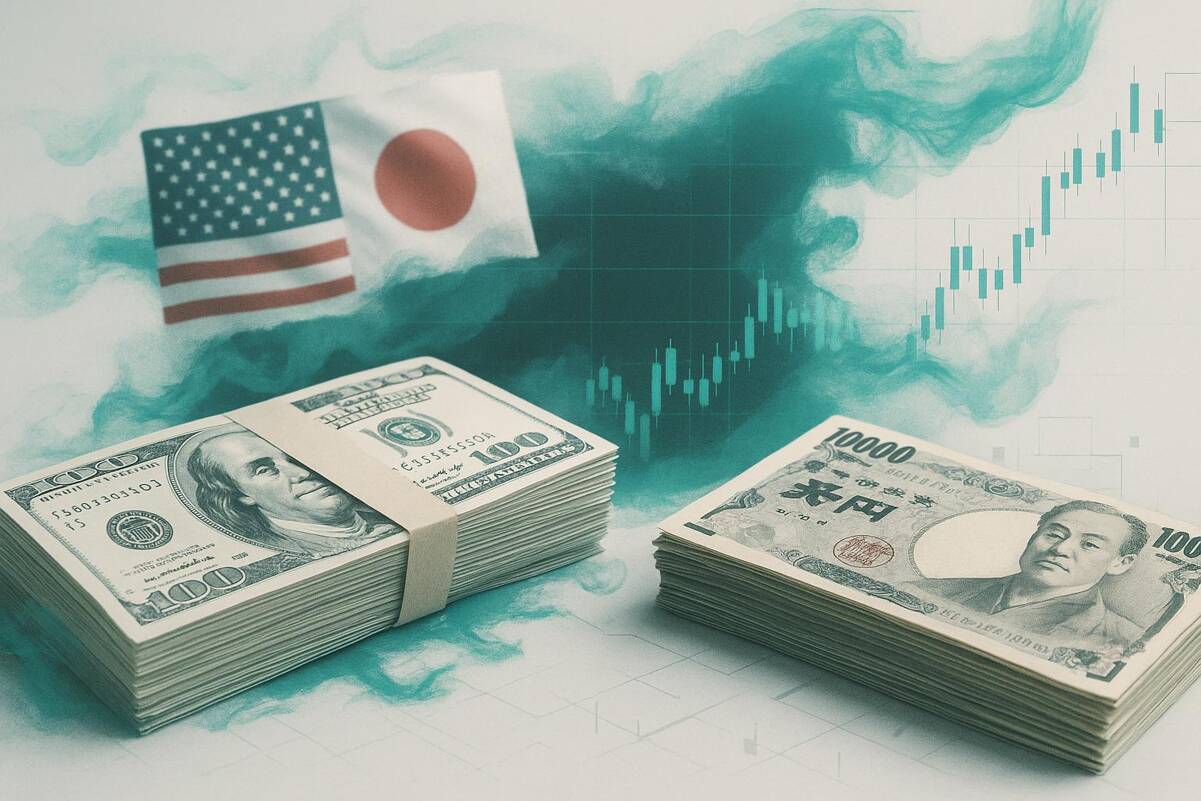
The Bank of Japan (BOJ) is showing increasing signs that it may raise its interest rates. This potential shift from its long-standing ultra-loose monetary policy is building anticipation in global currency markets, especially concerning the exchange rate between the US Dollar and the Japanese Yen (USD/JPY).
This matters because a BOJ rate hike would mark a significant departure from years of negative interest rates and yield curve control. Such a move would reflect a belief that Japan's economy can sustain higher rates, potentially signaling an end to an era of deflationary concerns and ultra-accommodative policy.
The mechanism involves the BOJ increasing its policy rate, which would make holding yen-denominated assets more attractive relative to other currencies. This increased demand for the yen would likely strengthen it against the US dollar, potentially pushing the USD/JPY exchange rate lower from its current levels, which are eyeing 175.
This development primarily moves the Japanese Yen (JPY) and the US Dollar (USD), with the USD/JPY currency pair being directly impacted. Companies with significant import/export exposure to Japan or those with large yen-denominated assets or liabilities, such as multinational corporations like Toyota (7203.T) or Sony (6758.T), could see their financial results affected by currency fluctuations.
Excalium Agent
An AI breakdown of exactly what changed and who it moves.