Nvidia's HVDC shift could reshape data center power chains
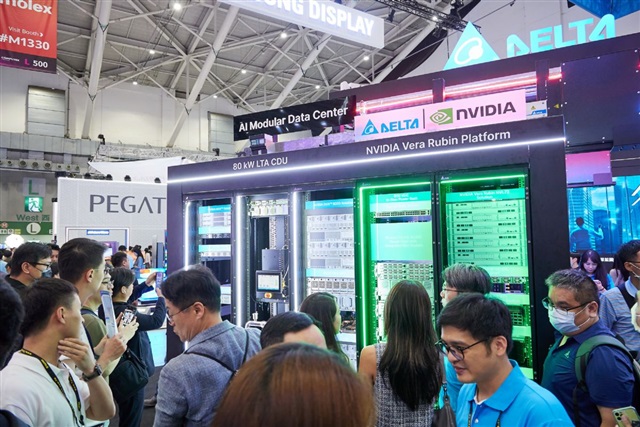
Nvidia is transitioning its data centers to High Voltage Direct Current (HVDC) power systems. This move represents a significant change from the traditional Alternating Current (AC) power distribution commonly used in data centers. The shift is driven by the increasing power demands of AI and high-performance computing (HPC) workloads, which require more efficient energy delivery.
This matters because HVDC power can offer greater energy efficiency compared to AC systems, especially for high-power applications. By reducing the number of power conversions, HVDC can minimize energy loss and heat generation within data centers. This improved efficiency is crucial for managing the escalating operational costs and environmental impact of large-scale AI infrastructure.
The mechanism involves converting incoming AC grid power to HVDC at an earlier stage and distributing it directly to servers and other equipment designed to accept DC input. This bypasses several AC-DC conversion steps typically found in traditional data centers, where power is converted multiple times between the grid, uninterruptible power supplies (UPS), and individual server power supplies, each incurring some energy loss.
This shift could significantly impact companies involved in data center infrastructure and power management. Manufacturers of HVDC power supplies, converters, and specialized data center racks (e.g., Eaton, Vertiv, Schneider Electric) could see increased demand. Utilities and energy management firms focused on data center efficiency may also be affected. The move primarily benefits Nvidia (NVDA) by optimizing its AI and HPC data center operations.
Excalium Agent
An AI breakdown of exactly what changed and who it moves.