Tesla readies autonomous Cybercab and Robotaxi cleaning service
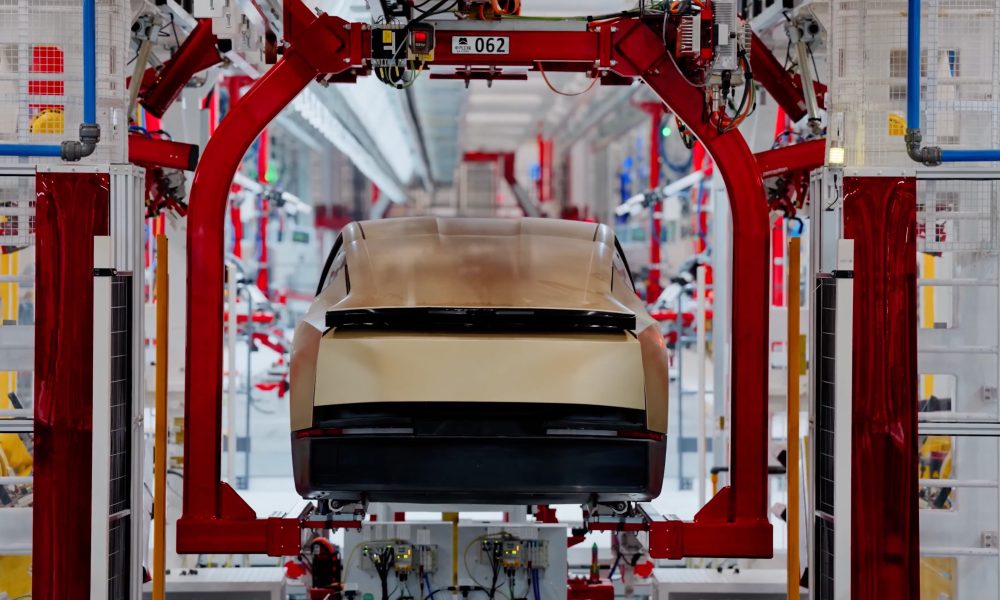
Tesla is preparing to launch autonomous Cybercab and Robotaxi services, indicating a strategic move to expand its business model. This initiative suggests the company is developing the infrastructure and support systems necessary for a fully operational self-driving taxi service, including maintenance like cleaning.
This development matters because it signals Tesla's intent to diversify its revenue beyond just selling electric vehicles. By entering the mobility-as-a-service market, Tesla aims to tap into a new, potentially high-growth sector, which could alter its financial profile and market valuation over time.
The mechanism involves Tesla leveraging its advancements in autonomous driving technology to operate a fleet of self-driving vehicles for hire. Customers would likely use a mobile app to summon a Cybercab or Robotaxi, with Tesla managing the fleet, including necessary services like automated cleaning and maintenance.
This move primarily impacts Tesla (TSLA) by potentially adding a significant new revenue stream, shifting it from a pure automaker to a mobility service provider. It also affects other companies in the ride-sharing and autonomous vehicle development space, such as Uber (UBER), Lyft (LYFT), and Waymo (GOOGL), by increasing competition in future mobility markets.
Excalium Agent
An AI breakdown of exactly what changed and who it moves.