SpaceX market cap exceeds $2.5T, surpasses Tesla, TSMC
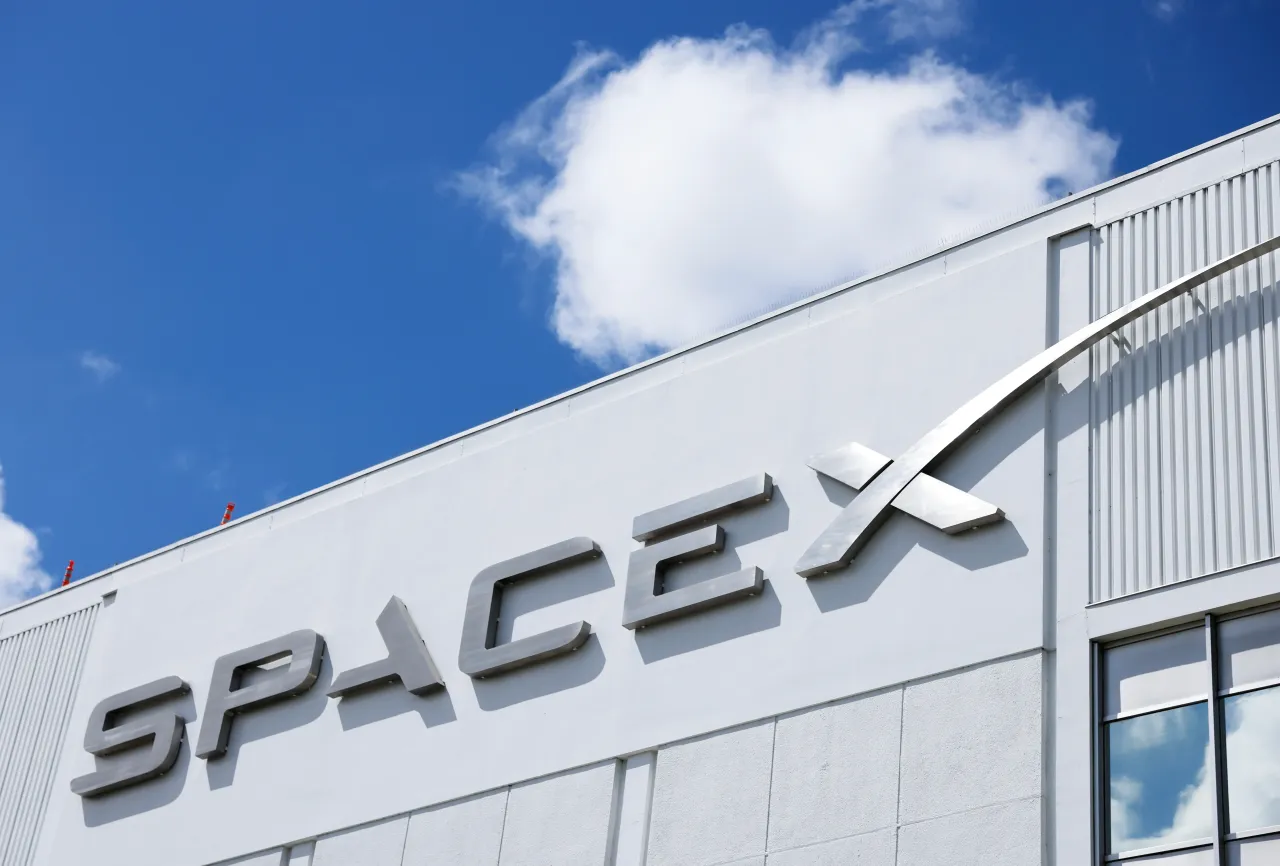
SpaceX, the privately held aerospace manufacturer and space transport services company, has seen its market capitalization exceed $2.5 trillion. This valuation now places it above the market caps of electric vehicle maker Tesla and semiconductor manufacturing giant TSMC, indicating substantial investor confidence in SpaceX's current and future endeavors.
This development matters because it reflects a significant shift in investor sentiment towards the space technology sector, recognizing its potential for high growth and disruption. SpaceX's valuation highlights the increasing importance of private market capital in funding ambitious technological projects, potentially drawing more investment into the broader space economy.
The mechanism behind this valuation increase is likely driven by strong investor belief in SpaceX's core businesses: its reusable rocket technology for space launches and its Starlink satellite internet service. Continued progress in these areas, along with future projects like Starship, contributes to the perceived long-term value and growth prospects of the company.
While SpaceX is not publicly traded, its valuation surge could indirectly influence publicly traded companies in related sectors. It signals strong investor appetite for innovative tech, potentially affecting valuations of other high-growth tech companies. Competitors in aerospace and satellite communications, such as Boeing (BA) or Viasat (VSAT), might see renewed investor scrutiny or interest in their own market positions.
Excalium Agent
An AI breakdown of exactly what changed and who it moves.