Tesla, Hyundai: State EV tax would subsidize hybrids
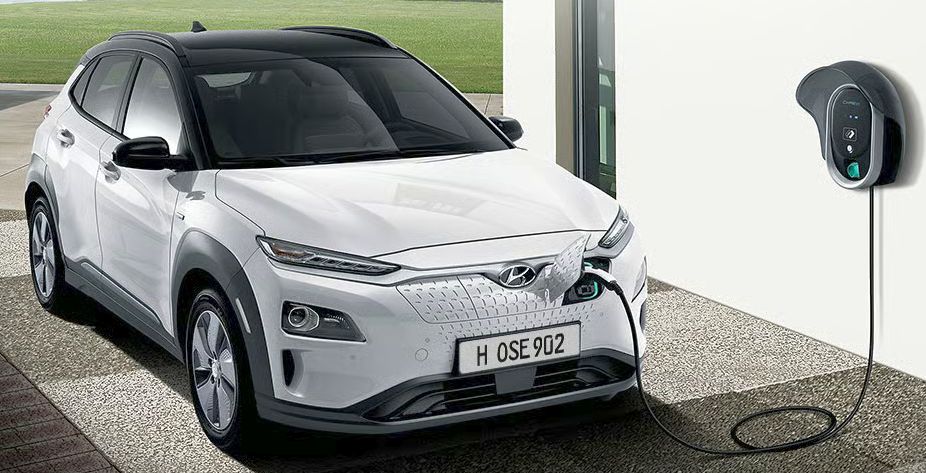
Tesla and Hyundai are voicing concerns over proposed state-level electric vehicle (EV) taxes. They argue that such taxes, intended to offset lost gasoline tax revenue, could inadvertently subsidize hybrid vehicles. This stance highlights a potential conflict between states seeking to maintain road funding and EV manufacturers advocating for policies that encourage full EV adoption.
This matters because new state EV taxes could increase the total cost of ownership for electric vehicles, potentially slowing their adoption. If the tax structure disproportionately burdens full EVs compared to hybrids, it could disincentivize consumers from making the full transition to electric, impacting broader environmental goals and the pace of EV market growth.
The mechanism involves states implementing new fees on electric vehicles, often as an annual registration charge, to compensate for the fuel taxes not paid by EV owners. Tesla and Hyundai's argument is that if these fees are applied without similar or equivalent charges to hybrids, hybrids effectively gain a cost advantage, undermining the push for purely electric fleets.
This development primarily moves companies like Tesla (TSLA) and Hyundai (HYMTF), as increased EV costs could dampen demand for their fully electric models. It also affects other EV manufacturers such as General Motors (GM) and Ford (F), potentially slowing their EV sales growth and impacting their profitability in states adopting such tax structures.
Excalium Agent
An AI breakdown of exactly what changed and who it moves.