Serbia June inflation slows on lower food prices
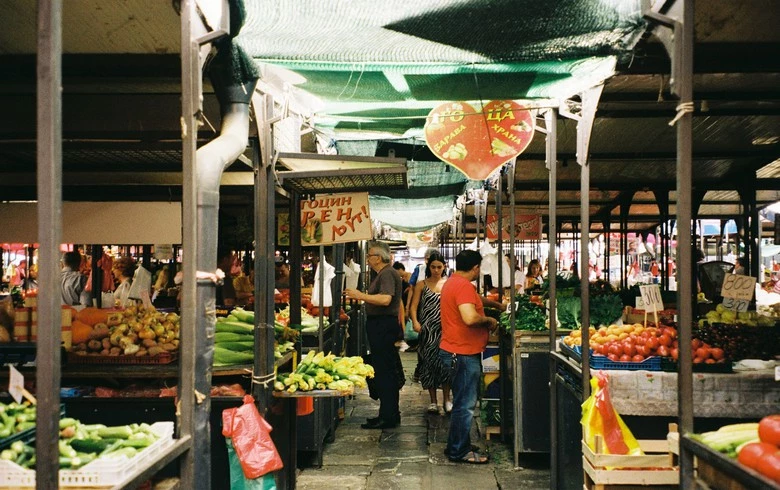
Serbia's inflation rate slowed in June, primarily due to a decrease in food prices. This moderation in the overall price level indicates a potential cooling of inflationary pressures within the Serbian economy, which has implications for both consumers and policymakers.
This slowdown matters because persistent high inflation often leads central banks to raise interest rates to cool the economy. If inflation continues to ease, it could reduce the pressure on Serbia's central bank to tighten monetary policy further, potentially leading to more stable or even lower borrowing costs in the future.
The mechanism at play involves the Consumer Price Index (CPI), a key measure of inflation. When food prices, a significant component of the CPI, decline, they pull down the overall inflation rate. This can leave consumers with more disposable income, potentially boosting consumer spending and supporting economic growth.
This development primarily impacts Serbian companies with significant domestic consumer exposure, as well as the broader economic outlook for the Balkan region. While no specific tickers are mentioned, companies sensitive to consumer spending and interest rate changes in Serbia could see shifts in investor sentiment.
Excalium Agent
An AI breakdown of exactly what changed and who it moves.