Ethiopia Central Bank Tightens Policy Amid Rising Inflation
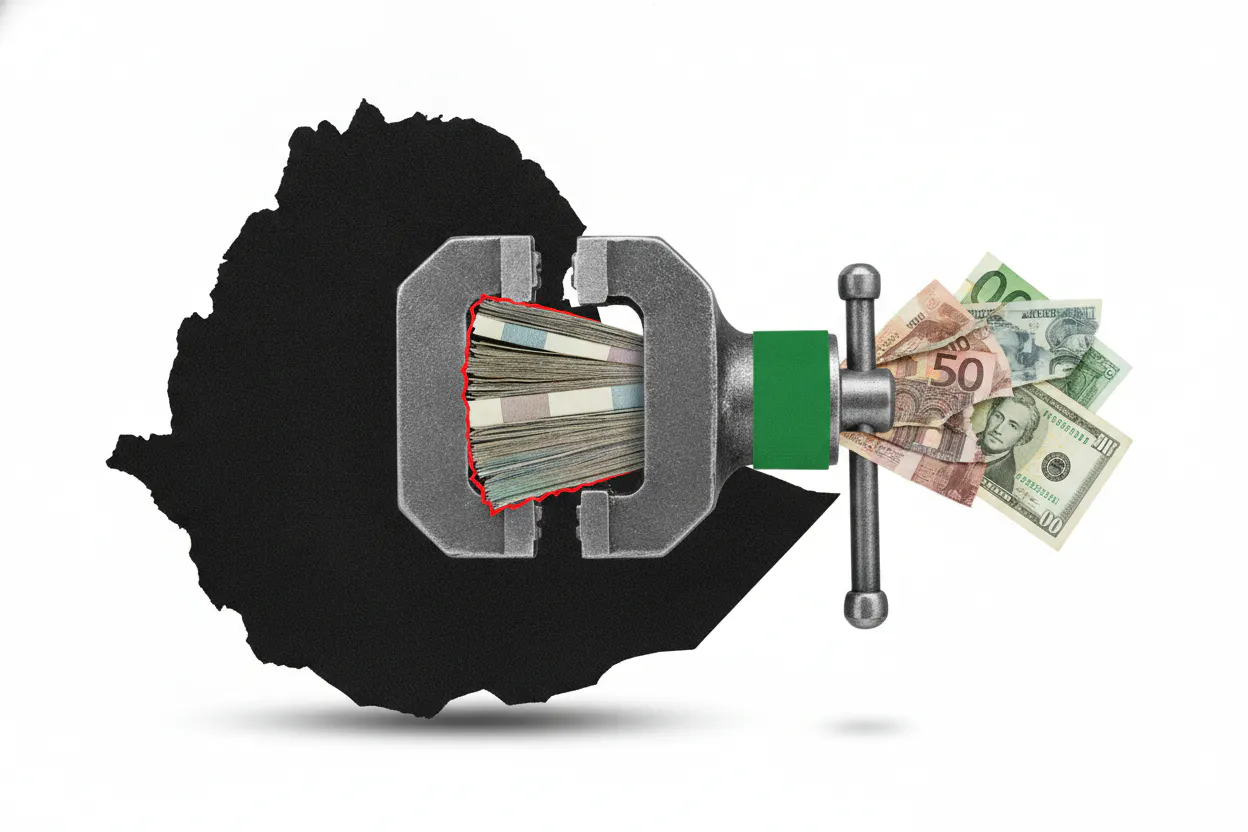
Ethiopia's central bank has tightened its monetary policy in response to rising inflation. This action indicates the bank's concern that accelerating price increases are eroding consumer purchasing power and threatening the nation's economic stability. Such policy tightening typically involves measures designed to reduce the money supply and curb demand.
This policy adjustment matters because sustained high inflation can destabilize an economy, making goods and services more expensive for citizens and businesses. By tightening policy, the central bank aims to cool down the economy and bring inflation under control, which is crucial for maintaining long-term economic health and investor confidence.
The mechanism behind this involves the central bank using its tools to make borrowing more expensive and saving more attractive. This could include raising benchmark interest rates, increasing reserve requirements for banks, or selling government securities. These actions reduce the amount of money circulating in the economy, thereby dampening demand and inflationary pressures.
This move primarily impacts Ethiopian companies and consumers by potentially increasing borrowing costs and slowing economic activity. While no specific companies are named, businesses operating within Ethiopia, especially those reliant on local consumer spending or credit, could see their operational costs rise or demand soften. Foreign investors considering projects in the region may also factor this policy shift into their decisions.
Excalium Agent
An AI breakdown of exactly what changed and who it moves.