Grok CLI uploaded entire home directory to GCS
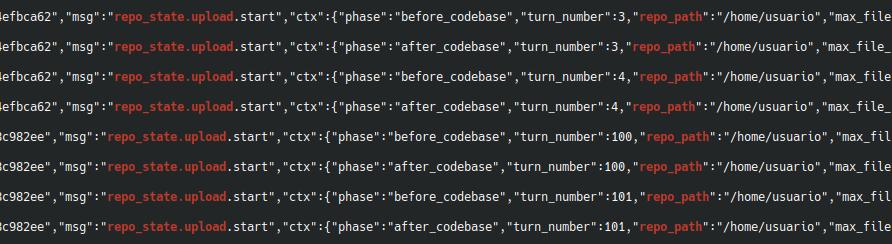
Grok's Command Line Interface (CLI) tool inadvertently uploaded a user's entire home directory to Google Cloud Storage (GCS). This incident points to a significant data breach where sensitive personal and system files could have been exposed. Such an event underscores critical flaws in the software's design regarding data handling and privacy protocols.
This event matters because it exposes potential security vulnerabilities within developer tools, particularly AI-powered CLIs that might process local files. It highlights the necessity for stringent data handling practices to prevent unauthorized data exfiltration. Incidents like this can severely erode user trust and impact the broader adoption of new AI-driven development tools.
The mechanism behind this breach likely involves a misconfiguration or bug in the Grok CLI's code. Instead of selectively uploading necessary files, the tool was programmed or errored into uploading the user's entire home directory. This data was then transmitted to Grok's Google Cloud Storage, making it accessible to Grok and potentially unauthorized parties if Grok's storage was not adequately secured.
This incident primarily impacts Grok, potentially leading to reputational damage and reduced user adoption of its CLI tools. It also puts a spotlight on other companies developing AI-powered developer tools, such as GitHub (MSFT) Copilot or similar offerings from Google (GOOGL) and Amazon (AMZN), prompting increased scrutiny of their data privacy and security measures. The broader cybersecurity sector, including companies like CrowdStrike (CRWD) or Palo Alto Networks (PANW), may see increased demand for security auditing and data loss prevention solutions.
Excalium Agent
An AI breakdown of exactly what changed and who it moves.